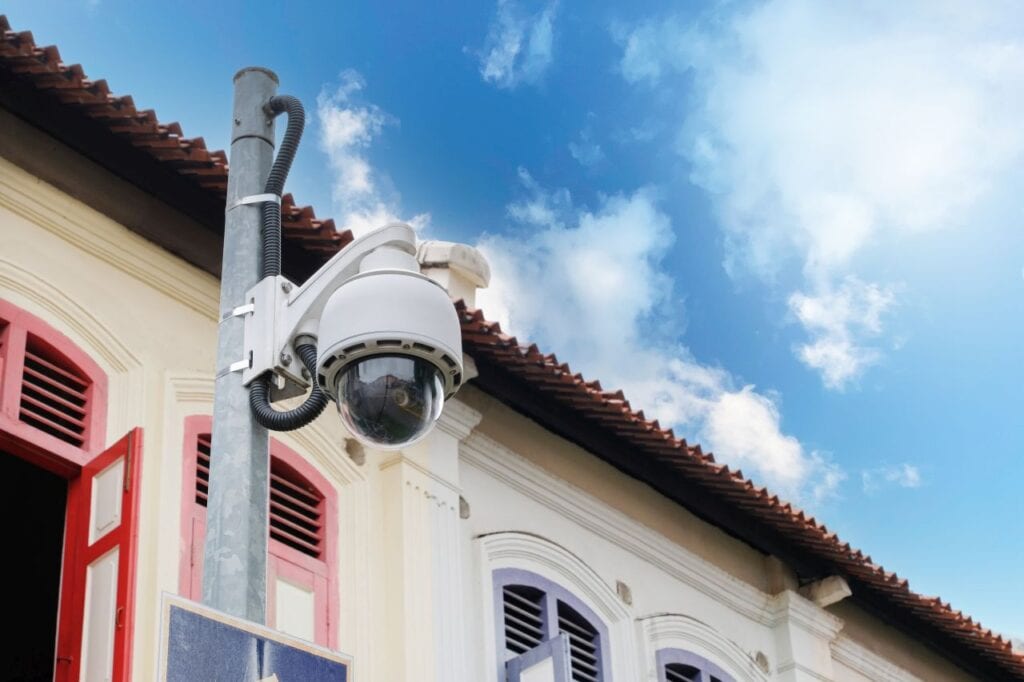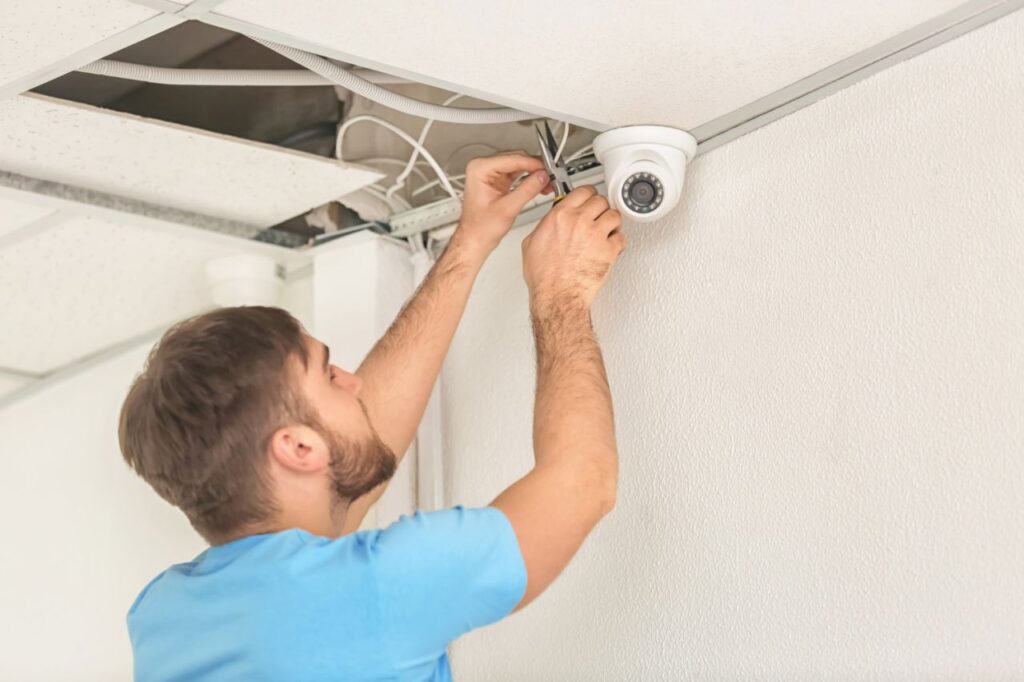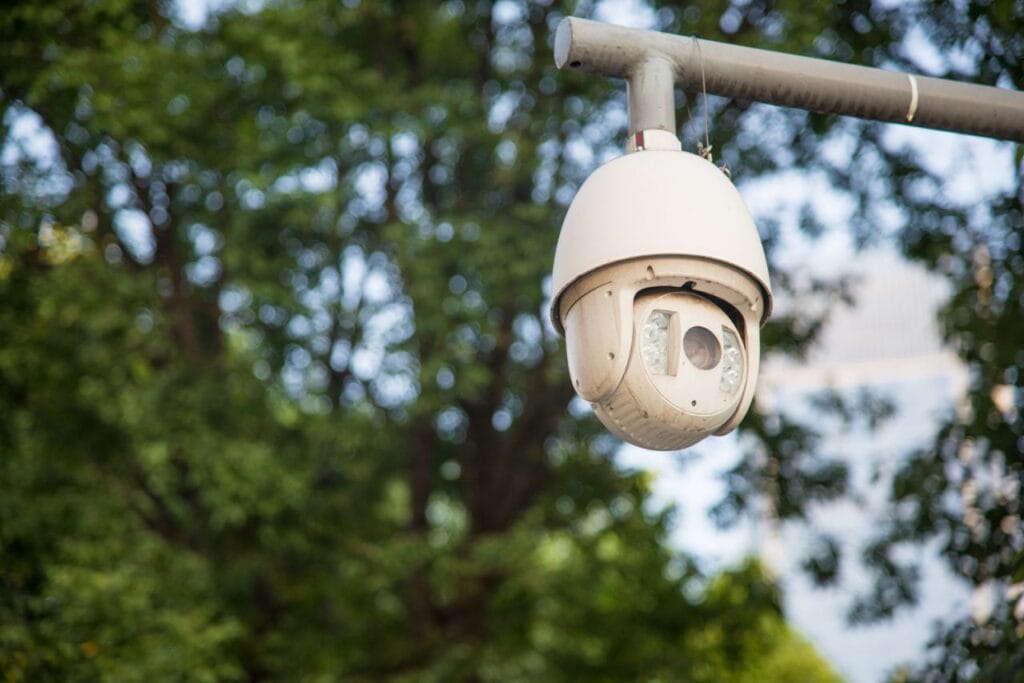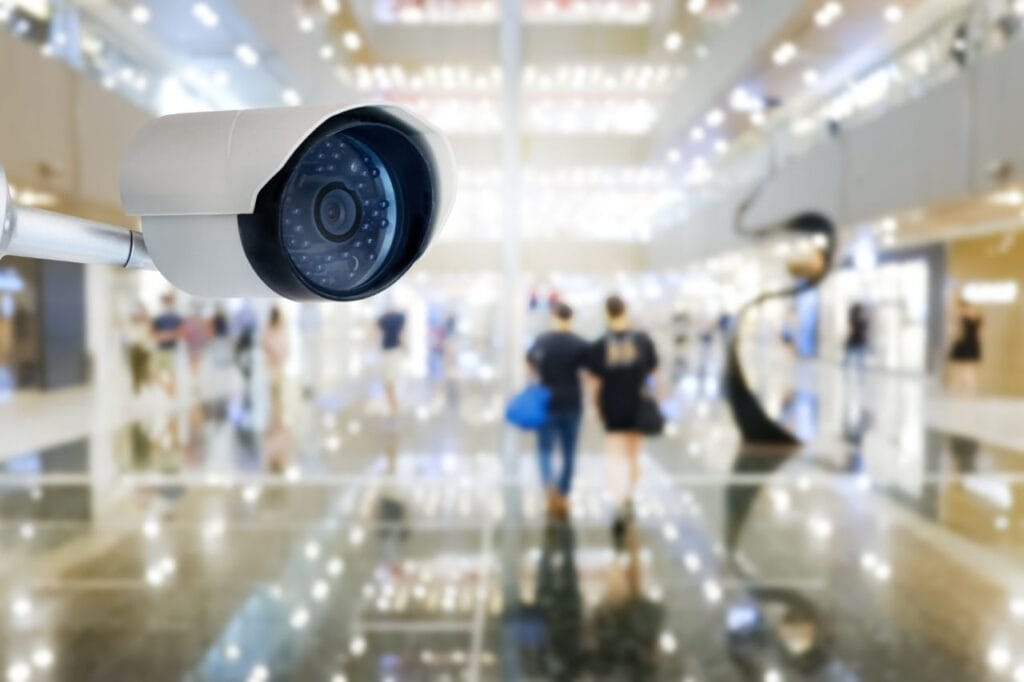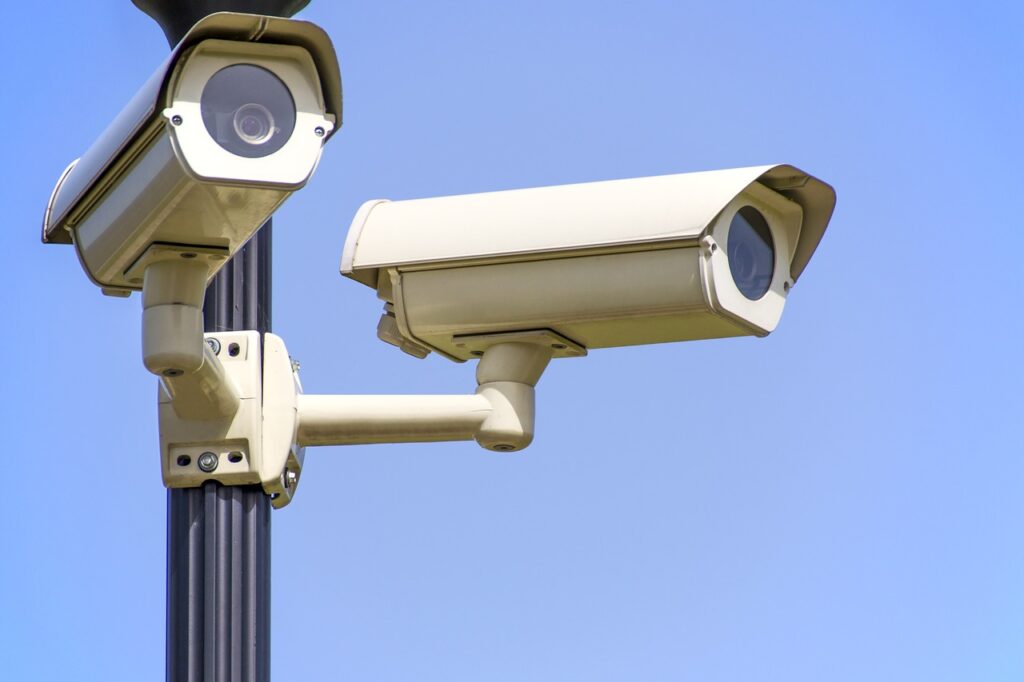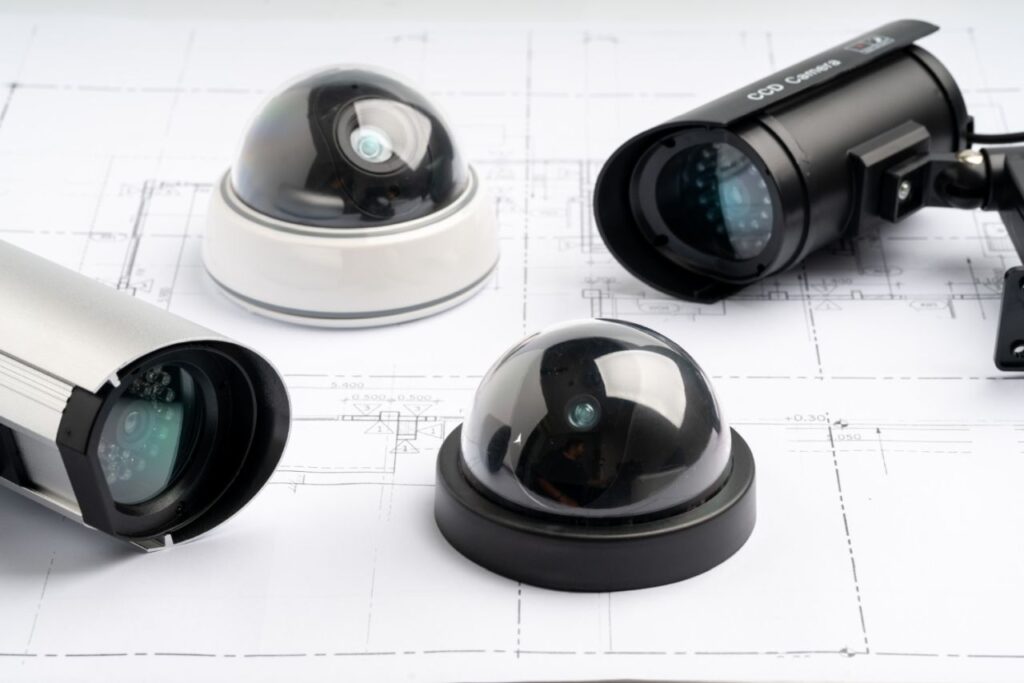

Protecting closed-circuit television (CCTV) cameras in public areas is a subject we hope to discuss here. We plan to take action to prevent the theft of CCTV cameras. Your camera could be stolen or broken by them. The following are some precautions you can take to safeguard your CCTV cameras.
You've put money down for a variety of reasons, including security and surveillance with cameras and monitors. You may also need to modify the security camera to have this capacity if you want to accomplish this right. Security cameras are frequently manufactured of high quality materials, making damage unlikely. It was mentioned that even the most sturdy cameras have vulnerabilities, such as the possibility of being stolen. You've probably heard a lot of advice about how to safeguard your home and business security cameras from intruders, lightning, extreme cold, etc. Take your time reading this post and implement the suggestions we've made.
Be strategic about where you set up your camera
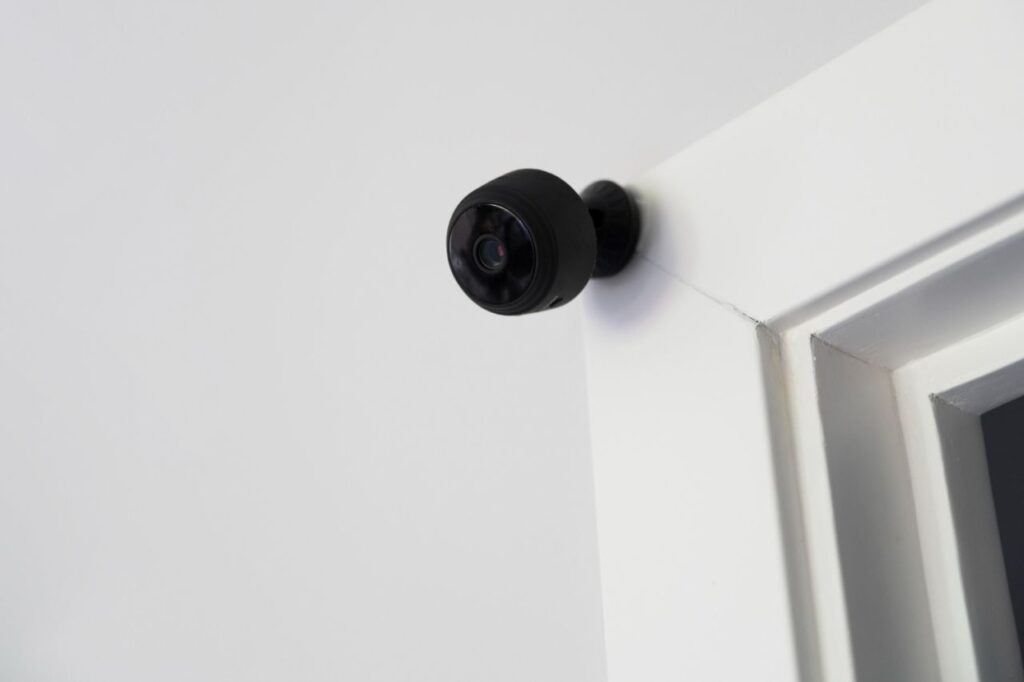
The first step is to choose a suitable location for your camera. A CCTV camera can defend your property from intruders if it is strategically placed and hidden from view. When you instal CCTV cameras in a visible location, potential intruders will be deterred from committing illegal acts like theft or vandalism because they fear being caught on camera. Here, your camera is in danger. Some authorities may suggest that you paint over or otherwise make your CCTV cameras less obvious.
This will protect your camera from being broken into or stolen and may even make it invisible to potential criminals. We advise setting up a number of cameras all over the premises for maximum protection. Put the most vulnerable areas out in the open where thieves can see them, and the most secure areas in the shadows where they can't be damaged, regardless of the risk.
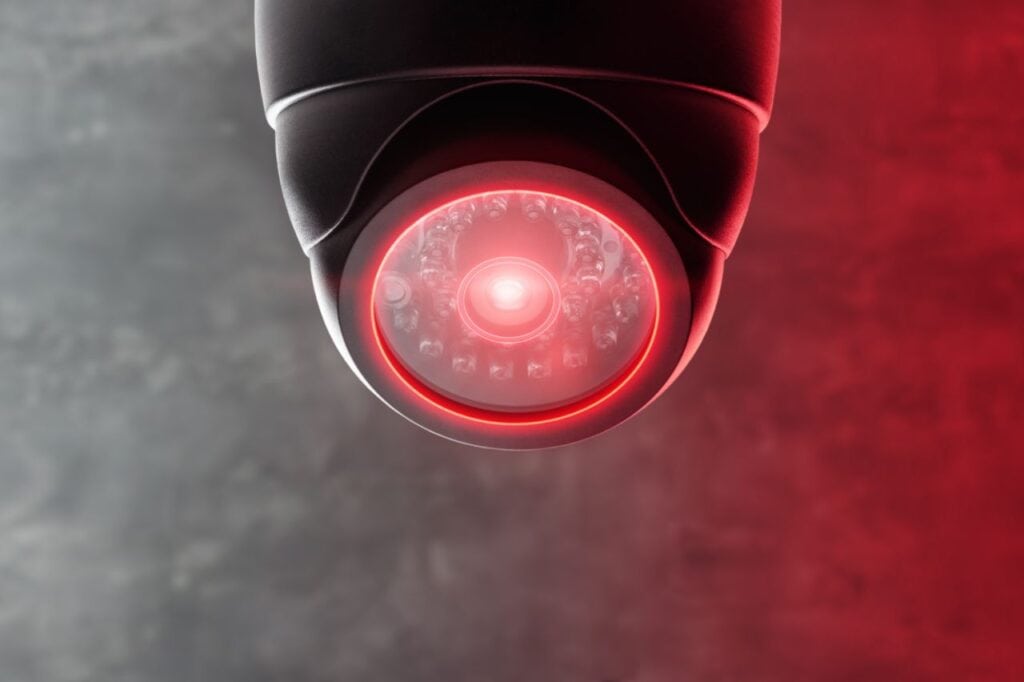
Your camera's viewfinder will send you a message on your phone. A phone call will be made to you as soon as the camera detects that someone is approaching it with the intent to cause damage. When using a camera with red lights, it's important to understand both why they're there and what advantages they offer. To avoid this, we advise installing both exterior flood lights and motion-detecting lights. This is a brilliant plan, as they might not let the camera do its job.
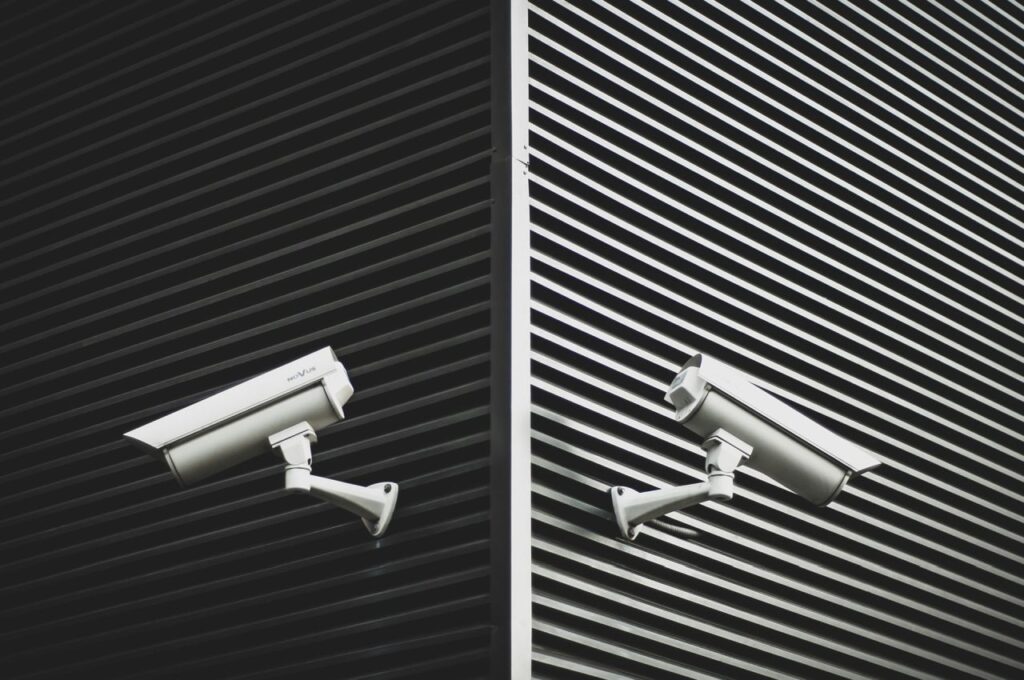
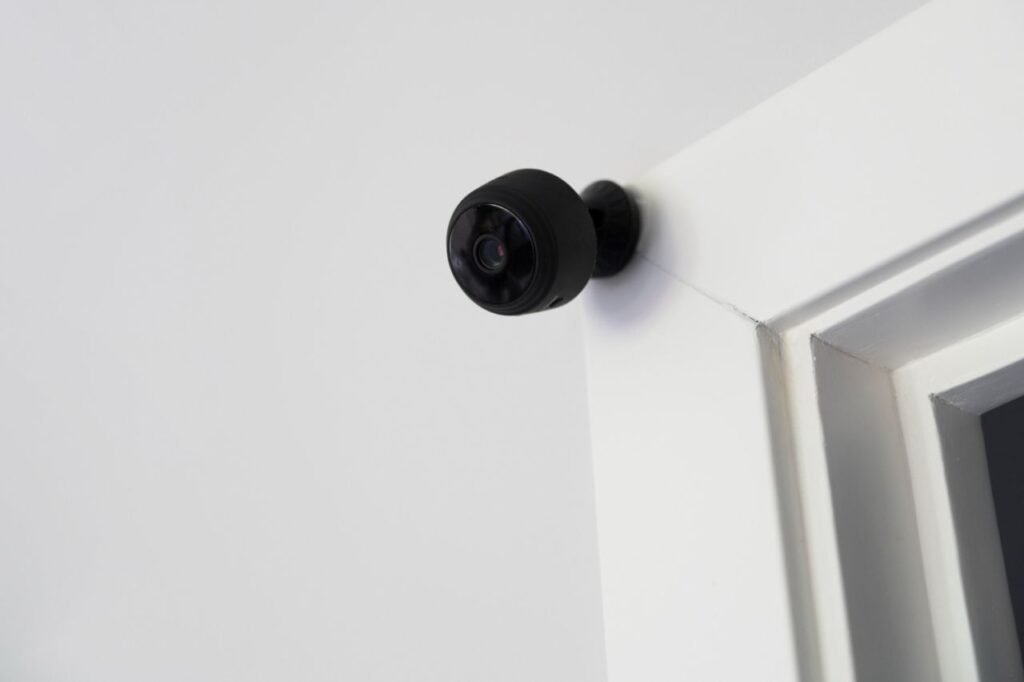
One method is to conceal your camera so that it can't be easily recognised. Theft of CCTV equipment can be reduced if neighbours look out for one other's cameras. Ensure that your cameras are set up to keep an eye on each other's progress to ensure that they are adequately covering the area. If either of them is compromised, you will be alerted to the theft or attempted sabotage by means of an alternative camera. How come it's important for the camera to back each other up? Performs or documents the thief's act in such a way that it draws attention to itself. Whoever has messed with or otherwise harmed your camera, this capability lets supporting cameras alert you so that you can watch over the kid camera as if it were a newborn.
Special sensors
A security CCTV camera's unique sensor is something to keep in mind while shopping for a camera to keep an eye on your home or business, as was noted earlier. Some cameras even feature sensors that could prove to be quite useful in your situation.
Protecting these cameras from theft can also be accomplished with the use of a specialised sensor. To detect any jarring motion or vibrations in the system, a number of sensors are strategically mounted on the exterior of the CCTV camera.
If someone were to touch it, the owner would be immediately notified through the internet and phone that there was an intruder in close proximity to the security cameras. The alarms from the electronic eye sensors also go off as quickly as the thief approaches. These detectors are calibrated in accordance with the distance of the picture; if the image is closer than the set value, the thief or unknown person intends to attack the security cameras in an effort to destroy or steal the security cameras.
CCTV Camera Backup File
Backing up your data is another precaution you may take against theft. After placing the CCTV cameras inside the appropriate locations, among the most crucial steps you can take is to create a backup.
It is possible that the camera's hard disc will be attacked by an unknown person, causing all recorded data to be erased and rendering us unable to retrieve it. When you load the camera, save important data files in a variety of locations so that you can continue using it even if the hard disc is damaged or intentionally destroyed. In order to learn more about what you possess from an unknown source.
Put the Camera Where It Was Designed to Go
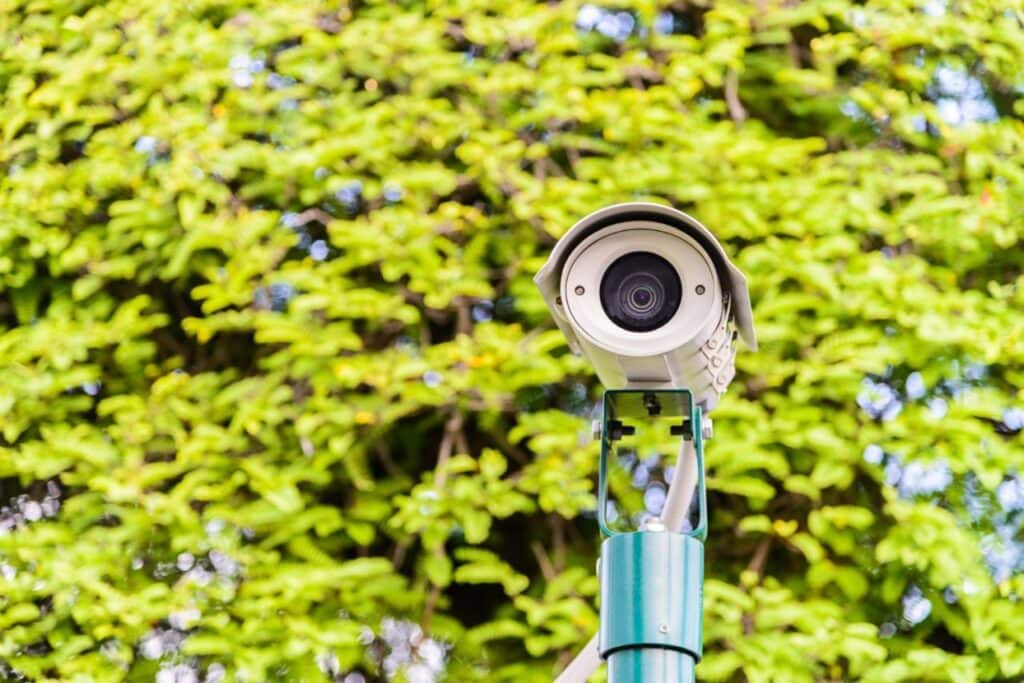
In addition, if you want to avoid having your camera stolen, experts in the field will recommend you to put it in a secure location away from obvious entry points. Doing this on your own will guarantee the safety of your installation.
Drop the gadget in the crate. The second thing we'll tell you is where you should position your camera. And before finalising the paperwork, you want to set up the camera in the storage area and the attic. You can connect them wherever you like, like a closet or a library, so that nobody can easily find out where you have them and break in to steal or destroy them.
A camera mount's cooling mechanism is the sole potential drawback, as it keeps the camera from overheating in use. You claimed that you no longer have any options for installing it due to the length of the wire and the fact that you must place it in a convenient location near an outlet so that your gadget may align with it and cool down. This is to ensure that your camera is being used in a tested container, such as a box or steel body.
Unique Camera Vibration and Manipulation Sensors
To help users avoid this camera, we also recommend installing vibration sensors, such as sirens, that are unique to the camera. When possible, purchasers of surveillance equipment wire in alarms to their cameras.
People have manufactured a lot of noise and sirens to notify you of the presence of this camera, so we say that adding these things into your construction process is a good idea. We believe the two gadgets you suggested can aid in both timing and locating.
As we've already established, they come into being depending on the shooting distance; we refer to them as eye sockets, and they function like a microwave that begins heating up as soon as someone gets close to it or fiddles with the controls. tells you they intend to break your camera and issues a warning about it. Many potential threats to the CCTV camera are prevented by this function.
How to Prevent Vandalism to CCTV Cameras
If not safeguarded, CCTV cameras can be easily damaged by vandals. Intentionally damaging a surveillance camera is possible in a number of ways. Let's talk about some of the methods that vandals can try to damage or deactivate your camera, and then go over the many options you have for preventing this kind of harm to your surveillance gear.
Vandal Proof Camera Types
Security cameras can be protected from theft and vandalism using a variety of housing options. You can find cameras with explosion-resistant, dust-proof or dust-tight, bullet-proof, and pressurised housings, as well as those that are advertised as "vandal proof security cameras" (vandal domes). Typically, vandal domes are rated to withstand just the most elementary forms of vandalism.
Many of them might even survive being driven over. The meanings of the remaining ones are usually obvious; nonetheless, explosion-proof cameras are often misunderstood as being resistant to explosions. It is a design goal for these camera housings that they will not detonate in the presence of explosive gases or materials.
Another thing to keep in mind is that some lasers or laser pointer pen can severely damage the camera's lens, leaving it worthless. Since many laser are monochromatic, colour filters can mitigate the damage done by a vandal using a laser pointer to damage your camera. If you use a filter, keep in mind that it may diminish the quality of your camera's image or decrease its sensitivity to light. You could use dark filters to shield yourself from lasers, but they'll render your camera almost unusable.
Fake Surveillance Cameras
Having visible cameras that are phoney or non-functional might also assist you protect your real surveillance cameras from being damaged. Quite a few people will buy defective cameras and place them in clear sight, while others will hide cameras that point toward the same general direction.
By doing so, if a vandal breaks into your property with the goal of damaging your cameras, they will be smashing a camera that is not functioning and therefore cannot film them.
People are less likely to commit crimes if they believe they are being monitored, another advantage of false security cameras. There are many who don't even bother with a proper security system. Most people will be deterred from doing something wrong even if they see only the phoney ones posted. Criminals seeking an easy target will most likely avoid areas that are monitored by surveillance cameras.
But if something does occur, those folks will be completely out of luck because they won't have any evidence to back up their claim that a crime was committed.
There are some considerations to keep in mind when shopping for fake surveillance cameras. Theives with experience with surveillance systems would be able to recognise a fake camera from a mile away.
The best way to mislead them is to buy a camera that looks like a real security camera but is actually a malfunctioning one from a CCTV distributor. CCTV auction websites are an excellent location to locate good discounts.
Keep an eye out for cameras with an always-on red LED that runs off of a rechargeable battery. Surveillance cameras don't have any external lights, and only their infrared (IR) leds light up when they detect motion at night, therefore this is a common tactic for fooling people into thinking they're being watched. If you want to prevent the more sophisticated offenders who might be looking for easy targets, you can also use an actual security camera that has been damaged but has a working infrared transmitter.
Choose an appropriate wireless security camera
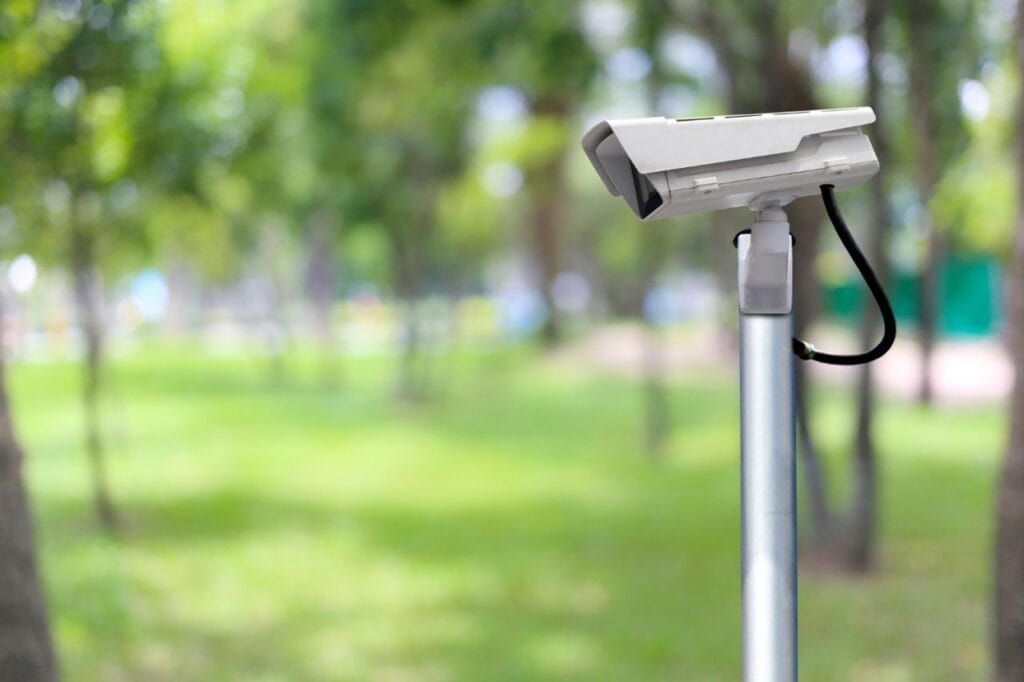
There is a wide variety of home surveillance cameras available, each optimised for a unique set of settings. Items designed for indoor usage won't hold up to the elements outside. This includes heat, cold, moisture, dust, and wind.
Consider the Ingress Protection (IP) rating, as well as the maximum temperature and humidity, while shopping for wireless surveillance cameras for your house. An electrical device's IP rating reflects how well it withstands the infiltration of water, dust, and other potentially damaging substances. A security camera with an IP rating of 66 is protected from dust and can withstand high-pressure water jets directed at its housing without damage.
Camera covers are available to help shield less robust outdoor security cameras from the weather. Homeowners in extremely cold or hot regions who want to instal surveillance cameras may also consider these. On extremely hot or cold days, it is also possible to bring outdoor cameras inside. However, high-quality cameras can withstand icy conditions and scorching heat in the vast majority of the world.
Condensation inside weatherproof housing can be just as damaging to a security camera as rain or snow, so be sure to check on it on a regular basis if you use one. Silica gel packets can be placed within the housing to assist wick away any condensation that may form.
Power cables and extension cords used with outdoor security cameras must also be weather-resistant. Checking the condition of the cables and cords used by both outdoor and indoor cameras on a regular basis is essential. The moment they show signs of fraying or wear and tear, they must be replaced. Wireless security cameras cut down on the number of wires and connections that need regular inspection and upkeep.
Conclusion
Theft is a threat to any camera, no matter how well-built it is. Some measures can be taken to ensure the security of CCTV equipment. Our recommendation is to put in both floodlights and motion detectors for the outside of your home. This will discourage trespassers from committing criminal acts like theft or vandalism. Think about the specific sensor requirements of a CCTV camera when making your purchase.
Many cameras now include sensors that could be extremely helpful in this scenario. Several sensors are discreetly placed on the exterior of the CCTV camera in order to pick up on any sudden motion or vibrations in the system.
Content Summary
- Protecting closed-circuit television (CCTV) cameras in public areas is a subject we hope to discuss here.
- We plan to take action to prevent the theft of CCTV cameras.
- Your camera could be stolen or broken by them.
- The following are some precautions you can take to safeguard your CCTV cameras.
- Be strategic about where you set up your camera. The first step is to choose a suitable location for your camera.
- A CCTV camera can defend your property from intruders if it is strategically placed and hidden from view.
- Some authorities may suggest that you paint over or otherwise make your CCTV cameras less obvious.
- This will protect your camera from being broken into or stolen and may even make it invisible to potential criminals.
- We advise setting up a number of cameras all over the premises for maximum protection.
- Theft of CCTV equipment can be reduced if neighbours look out for one other's cameras.
- Ensure that your cameras are set up to keep an eye on each other's progress to ensure that they are adequately covering the area.
- How come it's important for the camera to back each other up?
- Protecting these cameras from theft can also be accomplished with the use of a specialised sensor.
- To detect any jarring motion or vibrations in the system, a number of sensors are strategically mounted on the exterior of the CCTV camera.
- File Backing up your data is another precaution you may take against theft.
- After placing the CCTV cameras inside the appropriate locations, among the most crucial steps you can take is to create a backup.
FAQs About Security Cameras
Do security cameras record all the time?
Home security cameras typically have a motion detector that triggers recording and an alert when it detects motion in the home. Continuous video recording, which some have the capability of doing, allows for recording at all hours (CVR). If you want to feel safe in your own home, installing a security camera is a great investment.
Do security cameras work if the WiFi is off?
Without an online connection, cameras can still be installed. There are a lot of cameras that can only record locally, onto a micro-SD card or hard drive.
What is the proper way of maintaining a security camera?
- Make sure the monitor's settings for brightness and contrast are optimal and the image is clear.
- Clean the screens and control panels of any dust and dirt.
- Make sure that the control equipment's cables are in good condition and free of wear and tear.
What causes security cameras to stop working?
Common causes of security camera video loss include faulty wiring, IP address conflicts, ineffective camera software, broken hardware, an unstable network, or a lack of power.
How far back can security cameras see?
It's only natural for curious minds to wonder how long these cameras store their recordings for. The length of time that security footage is kept is debatable and depends on a number of factors, although in most cases it's at least 90 days.
- Nest Cam Indoor Wired. ...
- Hive View. ...
- Ring Spotlight Cam Battery. ...
- BT Smart Camera. ...
- Arlo Pro 3. ...
- Ring Video Doorbell 3. ...
- Swann Wi-Fi Indoor HD Security Camera. ...
- Blink Outdoor Security System.
CCTV stands for 'closed-circuit television' whereas security cameras are also called IP aka internet protocol cameras. CCTV cameras use coaxial wires whereas security cameras work using Power over Ethernet (POE). CCTV uses television to broadcast the telecast whereas security cameras broadcast live to the internet.
CCTV, also known as closed-circuit television, is a security monitor system that enables you to always keep a watchful eye around or in your business. CCTV security systems contain monitors and cameras that allow you to view live events, as well as recorders that archive footage for later use.