

Is it true that having security cameras installed in your home will make it more appealing to potential intruders? Interested customers frequently ask us this. It's a valid worry because burglars might assume that a house equipped with security cameras contains valuables.
Although this is a legitimate worry, it appears to have little backing. While surveillance cameras aren't likely to tempt would-be thieves onto your property, they also likely won't deter them. Intruders probably won't even see your surveillance camera.
It all boils down to this: security cameras aren't made to prevent criminal activity. They are merely there to record events for use as evidence in the event of a crime.
If you're still worried that installing a security camera could tempt a thief to break into your property, there are a few steps you can take. The first is to use a camera that blends in as much as possible, and the second is to purchase security equipment and systems that actively inhibit criminal activity.
How Burglars Choose Their Targets
Most burglars select seemingly easy-to-break-into houses as their targets. In addition, they picked out a house by carefully observing the neighbourhood.
They typically seek out houses in the more remote or rural parts of town. As an added bonus, they search for tidy homes with expensive cars in the driveway.
The criminals will use the easiest route in. Any unlocked door or window will do. As with the front door, the garage door, and the back door, these are the most common entryways used by criminals.
When you leave a door or window unlocked, a burglar will be able to enter your home with relative ease. A lovely glass front door won't stop a burglar who is willing to break it, insert an arm, and unlock the door.
Others may employ gadgets such as a bump key. The bump key operates in the same way as a universal key would, allowing the thief to quickly and easily pick the lock without having to worry about setting off any alarms.
Hide Your Security Camera
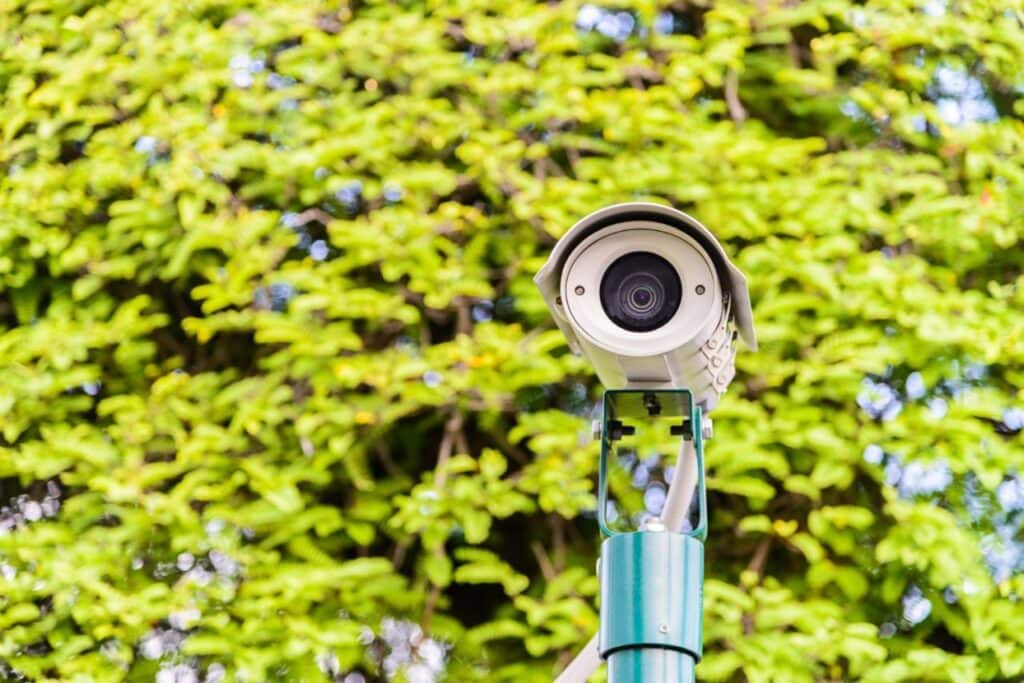
You can make your security cameras less obvious if you're worried about them luring in potential robbers. One way to achieve this is to conceal the presence of security cameras by purchasing compact models, placing them in unobtrusive positions, and painting them to match the external siding.
Purchasing Smaller Form Factor Security Cameras
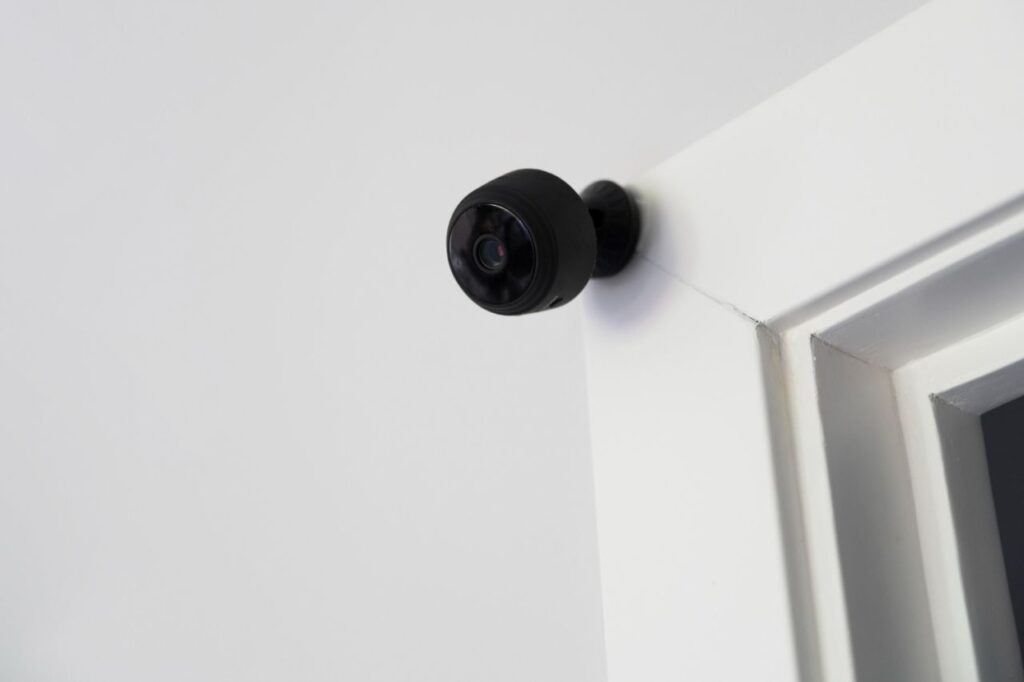
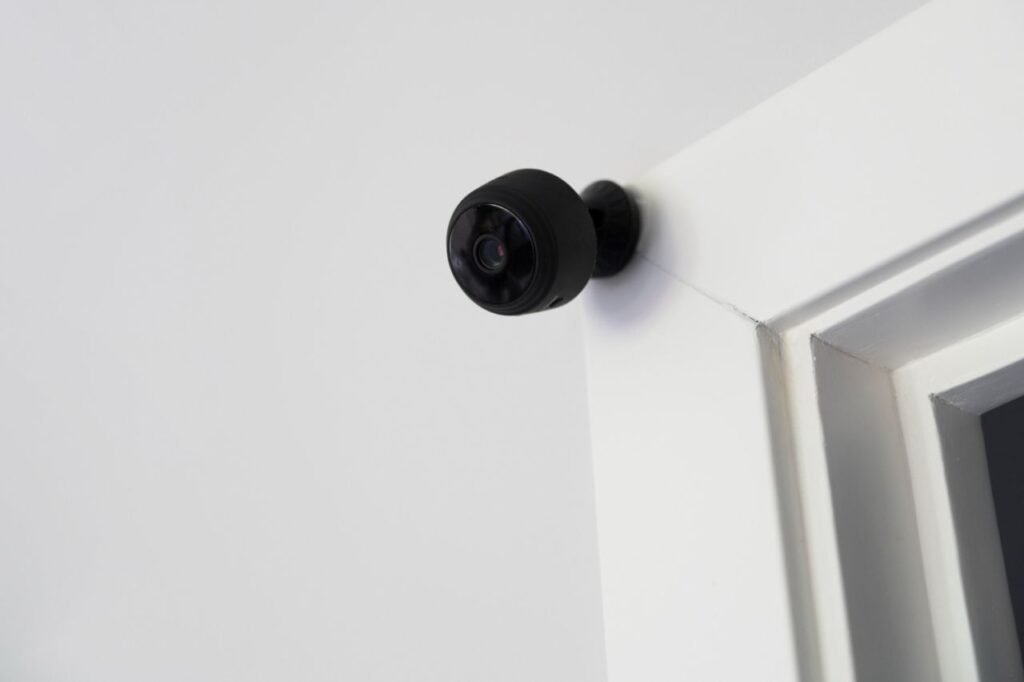
To avoid detection, security cameras should be as small as possible. When trying to blend in with the environment, a tiny fixed lens camera is your best bet.
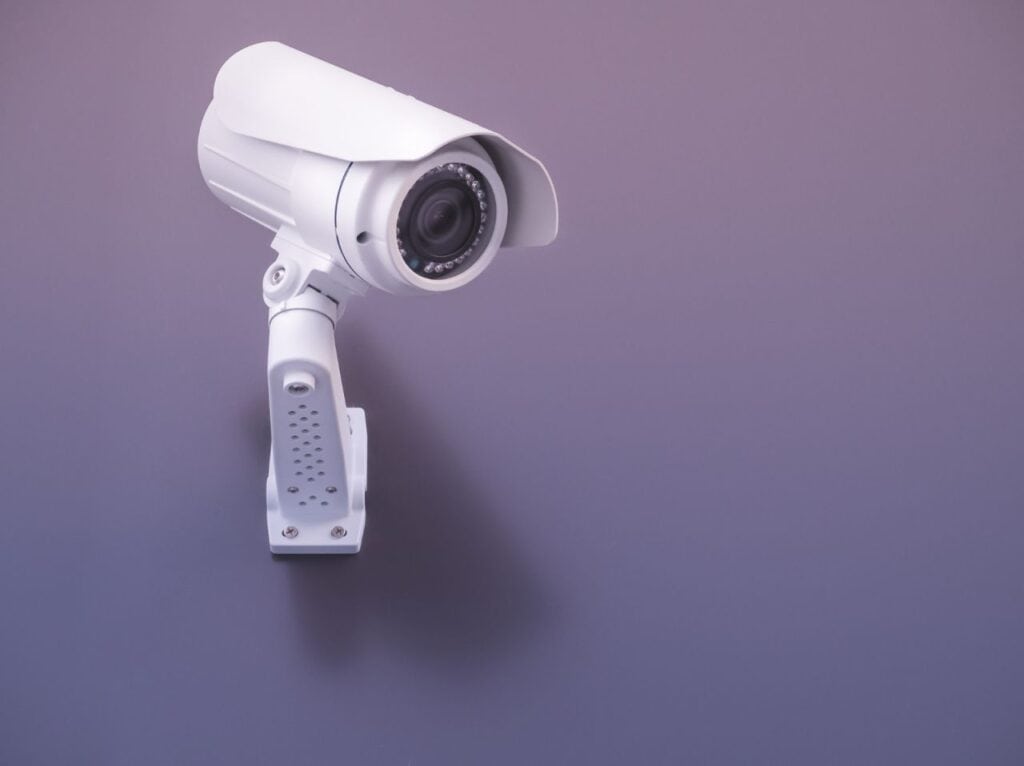
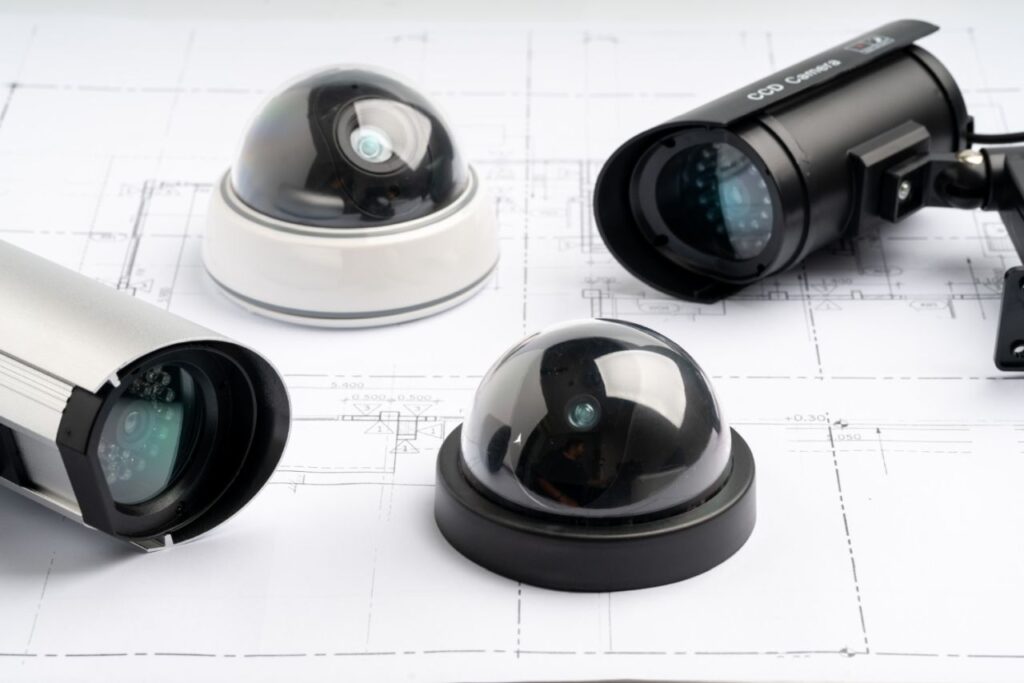
The good news is that you can pick from many different options. Excellent, compact fixed-lens cameras may be found throughout all three major security product lines (H-Series, R-Series, and Uniview). Find a small camera that works for your covert surveillance needs, whether it's a bullet, turret, or vandal dome.
Installing Cameras in Inconspicuous Places
Small size is a good starting point for making your security system unnoticeable, but it's not enough. The level of visibility of your security cameras is also affected by their placement. Put them up in obscure corners where people won't look too often.
Put the security cameras underneath the roof's overhang for a simple and effective solution. Because wires can be readily routed through the eave and into the attic, garage, or other desired location, this is an ideal spot for mounting your cameras. In addition, unless you know what you're doing, a tiny camera body nestled discreetly under an eave may go unnoticed.
A birdhouse, for example, would be a great place to conceal a surveillance camera in your yard. You need to make sure that you won't be blocking the camera's vision from wherever you decide to put it. Regardless of whether the image looks OK during the day, IR glare may occur at night if the camera is mounted too near to an eave or other object.
Blending Your Cameras
You always can try to disguise your cameras if you're really worried about them drawing attention to themselves. Some of the security cameras come in a dark grey tint, while the majority of our cameras are white. The grey cameras may blend in more with the exterior of your property than the white ones.
In any case, you can still take measures to conceal a white security camera by making it appear part of its surroundings. Did you know, for instance, that your security cameras may be painted to blend in with the colour of your roof or walls? This really happened!
Security Products with Active Deterrence
Some burglars may be deterred by the presence of a security camera. However, in most cases, surveillance cameras will not deter or encourage criminals to stay away. Just as it happens, they'll keep a log of the criminal activity. Making your security cameras as unnoticeable as possible is one method we've suggested so far for keeping them free of intrusion attempts.
However, the opposite approach has been found to be more effective in deterring crooks. Create active deterrence features for your cameras so that they are considerably more obvious than they already are.
Security through active measures to reduce criminal activity is called "active deterrence." In many cases, an auditory and/or visual warning to would-be criminals that their actions are being filmed is used.
The vast majority of active deterrence cameras out there today employ some form of sophisticated motion detection to scan their surroundings for signs of human activity, and then take appropriate measures. A siren, strobe light, recorded message, or all three might be used.
How Does Active Deterrence Reduce Crime?
Passive security cameras are those that do not actively inhibit criminal activity. They sit about and wait for incidents to occur so they can film them live. It's uncertain whether a burglar will spot a surveillance camera. Even if they do, it's unlikely they'll give a hoot. They won't have to worry about getting captured on video because their face will be hidden.
However, active deterrence cameras are designed to immediately attract the attention of the intruder. It's unclear whether this variable alone would reduce criminal activity. However, the camera is attracting the attention of law enforcement to the burglar, which is obviously undesirable. People are likely to presume an alarm has been triggered or a message has been transmitted.
A burglar may or may not change their behaviour if they see a security camera recording the scene. However, deterrent is much more likely if somehow the security camera is attracting attention to their wrongdoing and informing the homeowners and any neighbours within hearing distance.
What Other Types of Active Deterrence Exist?
Surveillance cameras with built-in active deterrent measures are unusual. It's acceptable though, because surveillance cameras aren't normally intended to actively prevent crimes. An excellent use for passive security cameras is to capture video proof of any potential crimes. However, these cameras are most effective as part of a larger alarm system in deterring criminal activity.
A burglar will think twice before breaking into your home if motion detectors and other sensors detect any unauthorized entry. Put up stickers and signs to warn would-be robbers that your home is protected. The sheer presence of these indicators may not be enough to discourage criminals, as many people already have them even if they don't have security systems. However, a burglar is much more likely to avoid your home if they spot these indicators and see that you have a security system. Even if they break in and don't see the alarm system, the unmistakable beep will cause them to flee as quickly as possible.
The Psychology of Security Cameras
Surveillance cameras are only as useful as their ability to influence people's minds. A recent study looked into the effectiveness of security cameras alone and with signage alerting criminals to their presence. Signage advertising the presence of security cameras was shown to be especially effective.
Even though not every would-be thief will actively be searching for surveillance cameras, having obvious signs pointing that way increases the odds that they will be spotted. In addition, the presence of signage near the cameras gives the impression that they are being watched.
Recent research interviewed 422 ex-burglars to gain insight into their routines and strategies for preventing future theft. According to the results of the poll, security cameras are the most effective deterrence against criminal activity.
The presence of security cameras could deter as much as 60 percent of would-be burglars. The majority (over 50%) also claimed they would abandon the burglary if they came across any security cameras. Do surveillance cameras actually reduce crime? Indeed, the installation of security cameras can cut the likelihood of robbery by even more than half.
Law Enforcement Appreciates Security Cameras
Those who work in law enforcement are aware of the benefits that video surveillance may bring to their operations. Crimes like vandalism, theft, and robbery are frequently solved with the aid of security film, which is often used to apprehend the perpetrators. If you put security cameras in your store, you'll have video evidence that police can use. The degree to which your security cameras aid law enforcement depends on a number of factors, including the quality of the cameras themselves, the placement of the cameras, and the quality of the footage they capture.
CCTV Deters External and Internal Crime
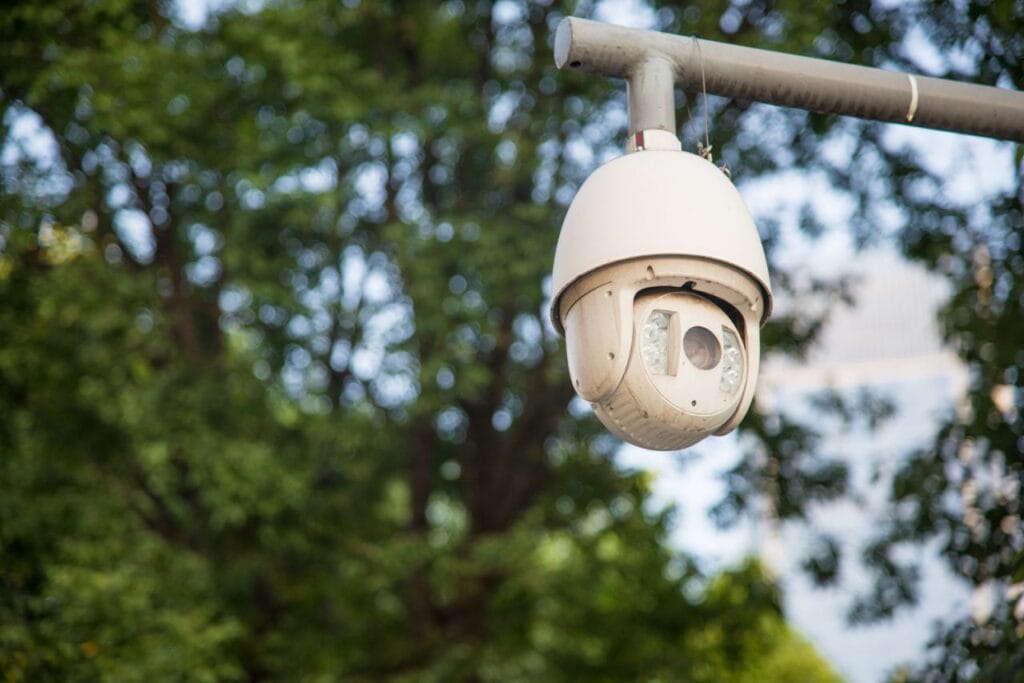
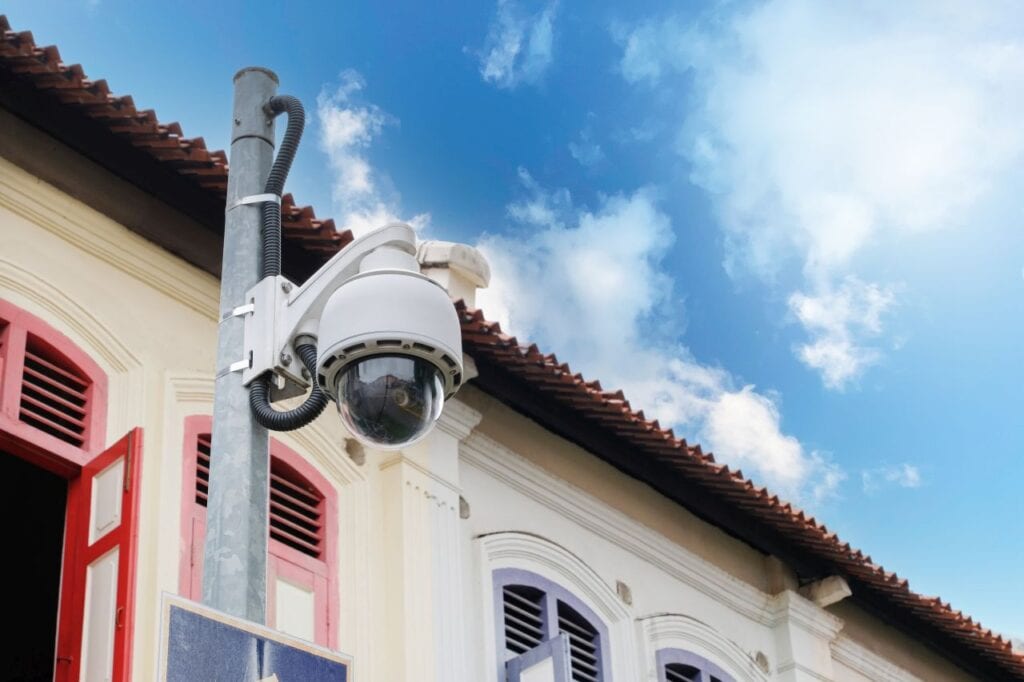
But how do exterior and inside security cameras vary from one another? There is a significant difference between indoor and outdoor security cameras due to the conditions in which they have to function. The elements can't be too harsh on outside cameras. It is more likely that outdoor cameras will be tampered with.
Therefore, they are usually constructed from more durable material, are bulkier, and may even be housed in a sealed shell to prevent their speedy removal.
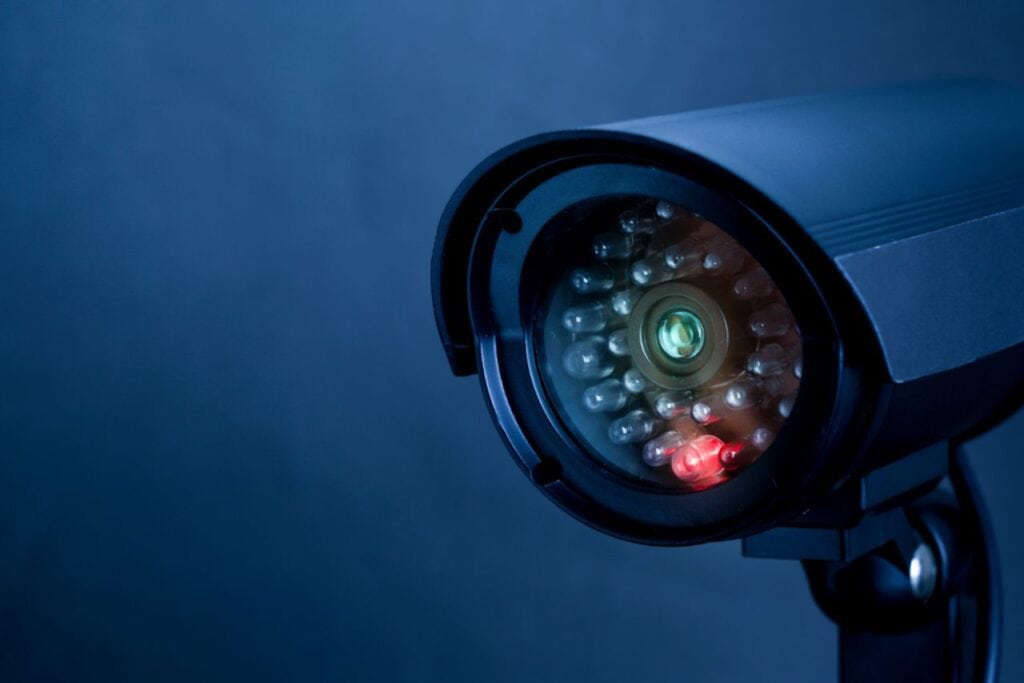
Both indoor and outdoor cameras have infrared capabilities, allowing for clearer images even in dim light. Consult an expert about your requirements to ensure you choose the right camera.
Security Cameras Reduce Crime by 50%
The installation of security cameras has been shown to reduce crime rates by as much as half in urban areas. You can probably imagine what this means for companies selling and installing these systems and for those who want to feel safe in their own homes. If surveillance cameras are so effective in reducing crime, why are there still so many crimes per year? Having your property monitored by cameras eliminates opportunities for theft. Furthermore, perpetrators who persist in their criminal behaviour are probably to be apprehended, therefore reducing the likelihood of further criminal activity.
When people are aware that they are being monitored by security cameras, they act differently. They are more likely to behave themselves when they realise they are being monitored.
Consult CCTV Security Experts
The numbers do not lie. Having a security camera system in place can help deter criminal activity and provide peace of mind for your loved ones.
Studies show that installing a security system can cut crime by as much as 50%. As an extra bonus, security cameras provide you with solid proof of any illicit behaviour.
This sort of technology can be found in a wide variety of buildings and households throughout a wide variety of urban areas. Almost everyone has one in their house.
If you live in an area where you might be a target for criminals, installing a security system is a prudent move that can help keep you and your possessions safe in the long run.
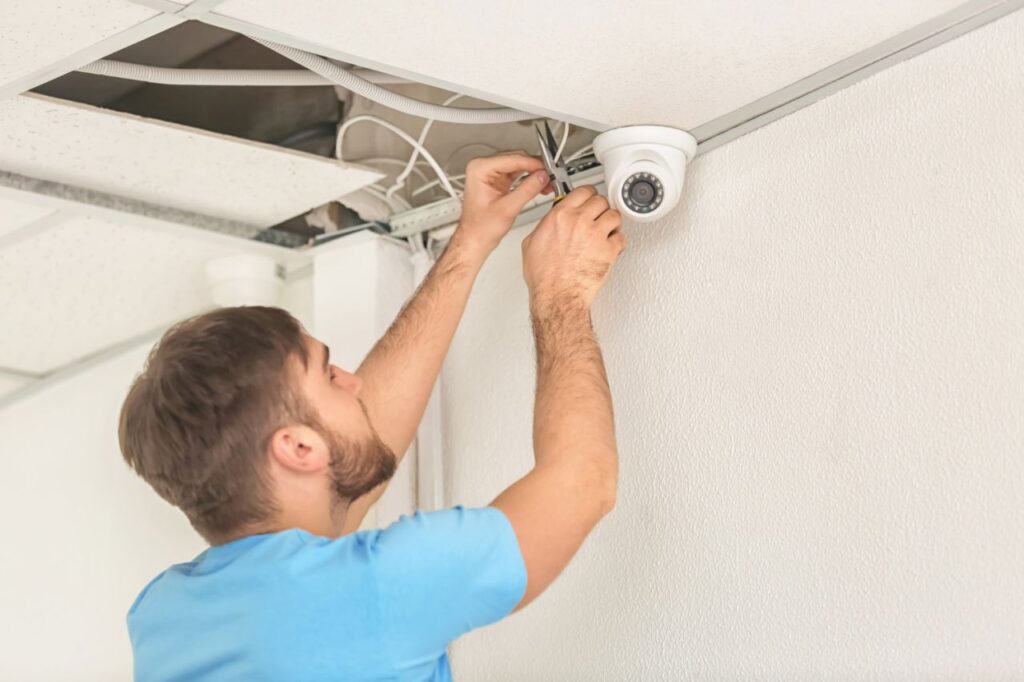
CCTV Security Pros can set you up with security cameras that stream or record to your mobile device or PC. You can easily skip to the areas of your video stream that display motion detection, and the system can be set up to automatically send real - time notifications to any phone whenever cameras identify odd behaviour.
The effectiveness of security cameras in preventing crime is undeniable. CCTV Security Pros is the industry's premier security and surveillance provider, with a focus on tailoring our services to meet the unique needs of each individual client.
Conclusion
The presence of surveillance equipment is not likely to entice criminals to target your home. Most would-be burglars will not even notice your surveillance equipment. The majority of burglars choose seemingly easy-to-break-into houses. Lovely glass at the front door won't deter a thief who is determined to get in. Smaller security cameras are less likely to be discovered.
A small fixed-lens camera is ideal for covert operations where concealment is a priority. Put a hidden camera in your yard to keep an eye on the birds. The placement of your security cameras can also affect how noticeable they are. Some would-be thieves might think twice about breaking in if they saw a security camera. There is little evidence that surveillance cameras deter or encourage criminals to avoid a particular area.
A study found that taking the opposite tack was more successful in preventing criminal activity. Improve the visibility of your cameras by adding active deterrence features. It's not common to find surveillance cameras, let alone ones with built-in active deterrent measures, whose primary function is crime prevention. As a component of a comprehensive alarm system, they significantly increase their effectiveness in preventing break-ins. If a robber sees these signs and knows you have a security system installed, they are more likely to choose a different target.
Content Summary
- Is it true that having security cameras installed in your home will make it more appealing to potential intruders?
- While surveillance cameras aren't likely to tempt would-be thieves onto your property, they also likely won't deter them.
- Intruders probably won't even see your surveillance camera.
- It all boils down to this: security cameras aren't made to prevent criminal activity.
- If you're still worried that installing a security camera could tempt a thief to break into your property, there are a few steps you can take.
- When trying to blend in with the environment, a tiny fixed lens camera is your best bet.
- Find a small camera that works for your covert surveillance needs, whether it's a bullet, turret, or vandal dome.
- The level of visibility of your security cameras is also affected by their placement.
- Put the security cameras underneath the roof's overhang for a simple and effective solution.
- In any case, you can still take measures to conceal a white security camera by making it appear part of its surroundings.
- Some burglars may be deterred by the presence of a security camera.
- Create active deterrence features for your cameras so that they are considerably more obvious than they already are.
- Security through active measures to reduce criminal activity is called "active deterrence."
- However, active deterrence cameras are designed to immediately attract the attention of the intruder.
- Surveillance cameras with built-in active deterrent measures are unusual.
- However, a burglar is much more likely to avoid your home if they spot these indicators and see that you have a security system.
- Signage advertising the presence of security cameras was shown to be especially effective.
- According to the results of the poll, security cameras are the most effective deterrence against criminal activity.
- Do surveillance cameras actually reduce crime?
- Indeed, the installation of security cameras can cut the likelihood of robbery by even more than half.
- The degree to which your security cameras aid law enforcement depends on a number of factors, including the quality of the cameras themselves, the placement of the cameras, and the quality of the footage they capture.
- The installation of security cameras has been shown to reduce crime rates by as much as half in urban areas.
- Having a security camera system in place can help deter criminal activity and provide peace of mind for your loved ones.
- Studies show that installing a security system can cut crime by as much as 50%.
- CCTV Security Pros can set you up with security cameras that stream or record to your mobile device or PC.
- The effectiveness of security cameras in preventing crime is undeniable.
FAQs About Security Camera
Do security cameras record all the time?
Unfortunately, not all surveillance cameras are constantly recording. How long a security camera system records for depends on its settings. Some cameras can record continuously, while others may only do so at certain times. Some surveillance cameras are set to begin recording only in response to predefined events.
What features to look for in a security camera?
High-quality resolution, infrared night vision, motion detection recording, and smartphone alerts are all essential features of a modern home security camera. Incorporating these into your home's design will increase its safety.
Do cameras still record without the Internet?
Putting up cameras is possible even without access to the web. There are a lot of cameras that can only record locally, onto a micro-SD card or a hard drive.
Do security cameras need light at night?
Infrared illuminators are typically attached to the camera and allow the camera to see and take pictures even when it is completely dark. Infrared LEDs are now standard on most security cameras, allowing them to see in the dark.
How often do you need to change your security camera?
Cameras should be replaced at least once every 10 years, while monitors can last for much longer. In the last decade, camera quality has risen dramatically, and this trend will only continue. The more eyes on the scene, the safer everyone will feel.