
How To Detect Hacking Of Your Security Camera
Shocking reports of hackers breaching home security systems and monitoring families through their webcams are circulating online. Reading these accounts may make the owner of a home security system uncomfortably nervous.
Integrating connectivity capabilities into your security system may improve it by allowing you to see your video stream from a distance and save your surveillance footage in the cloud. Many state-of-the-art burglar alarms provide these functions. However, if not utilised appropriately, the connection functions constitute a security risk, since a thief may get access to your video streams.
To better react to a security breach, you should be aware of a few warning indicators whether you have cameras installed inside or outside your house. Let's start with the most blatant signs that a hacker has compromised your system security.
Unusual Sounds Or Voices
If the attackers are serious about being heard, they will utilise your camera's two-way talk feature to communicate with you. Most security cameras have this feature built in, allowing consumers to speak with whomever is in the house. You'll know something is wrong, however, if you start to hear odd noises or voices trying to talk to you. Check this list of high-quality and affordable Melbourne CCTV to help you decide which product to choose for your home security.
If your security camera is making odd sounds, it's possible that an unauthorised person has gained access to it and is monitoring your whereabouts. Be very cautious because of this, even if the sound is quite low and seems insignificant.
Don't ignore the tiniest particulars; every little thing counts.
The Light From The Led Is On.
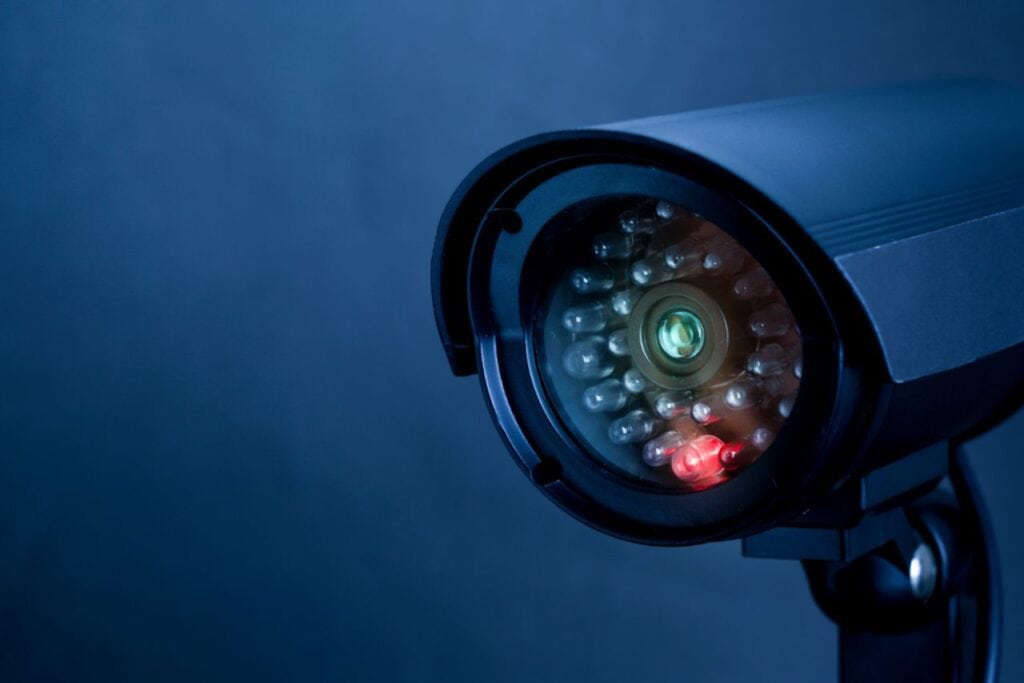
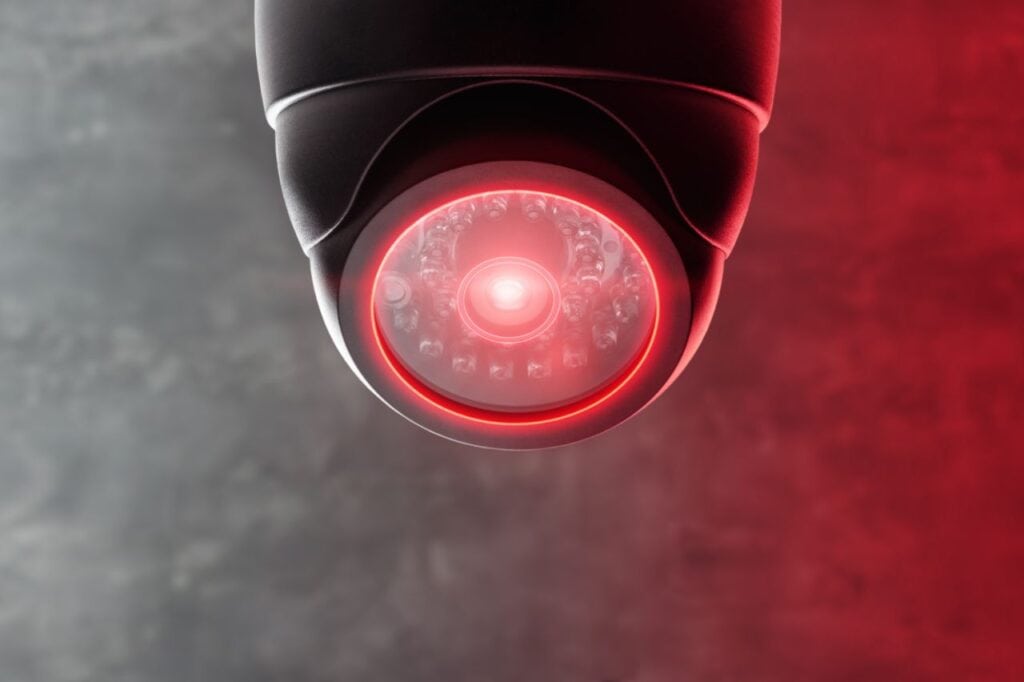
Most interior security cameras include a blinking LED light that comes on while the camera is being watched remotely, as a precaution. Having the camera's LED light illuminate whenever it's being accessed is a good visual cue for keeping folks on their toes.
Numerous security cameras make use of LED lights to communicate various states of operation. When the camera's LEDs begin flashing quickly, for instance, it means that an effort is being made to establish a connection. Depending on the nature of the problem, rebooting the camera may be required before determining whether or not it is working properly again.
LED lights are an effective visual aid for raising people's awareness. For further information on what each of the camera's LED lights indicates, including whether they flash steadily or randomly, it is recommended that you consult the user handbook. If the camera's lights are flashing fast and you're not using them, a hacker is likely attempting to get access to your system.
Tilting Or Panning
Most stationary (fixed) interior security cameras, such as baby or nanny cams, do, however, offer some degree of rotation. The camera here may be moved in three dimensions: horizontally, vertically, and in a zoom function. The camera's angle may also be changed through an app on either a mobile device or a PC, depending on your preference.
Extreme vigilance is warranted if you see any unusual behaviour from your camera, since this is among the most telltale indicators of tampering.
You're the only one who could have conceivably moved the camera. If your security camera seems to be moving around on its own or is pointing in an unexpected direction, a hacker may be directing it from afar.
You should be very cautious if you do manage to get a glimpse of motion, since this is even another telltale clue that your camera has been compromised. Because these cameras can talk to you, they may also make a noise when anything is wrong, giving you a two-pronged warning.
Your Account Password Has Changed.
It's important to make sure your camera's security settings are at the right level. If you find that your camera isn't working as it should, the options have been changed, the password has already been reset to factory defaults, or someone else knows your camera's password, then someone else has control of your camera. The camera's settings will not change without human intervention.
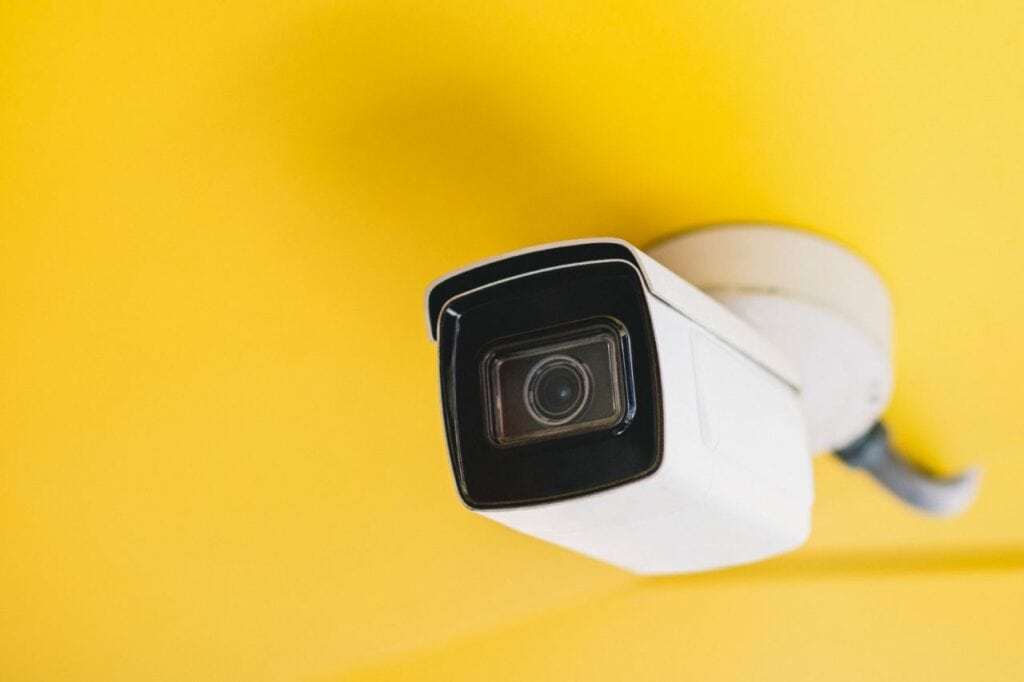
When setting up a surveillance camera for the first time, you'll likely be asked to sign up for an account with the company providing the device. The unexpected occurrence of the app failing to log in is indicative of a camera hack. Your email address may or may not get a message informing you that your password has been changed.
Most companies implement an extra security measure by demanding that customers change their passwords at predetermined intervals; nevertheless, if you can't recall changing your password, it was likely altered without your knowledge.
A security camera breach is in progress if the mobile app stops verifying your identity. A notification email indicating your password has already been updated may or may not be sent to the address you provided. Some manufacturers, for instance, do not update users with password change emails.
Increased Data Traffic
The amount of data sent while viewing a camera's live feed may be used as evidence that the feed has not been tampered with. One way to do this is to make use of the router's built-in tracking and security features. For instance, the Xfinity xFi gateway offers built-in security that can track activity across all of the home's connected devices.
Pretend a large volume of data is being sent from your camera. Especially if it's sending data at times when you're sure you're not using it, this is a major red flag that something is wrong. This is a major red flag that something is wrong. As a result, some routers and gateways will keep tabs on the amount of data being sent via them, with some even going so far as to highlight periods of high data transfer activity.
Let's take Xfinity's xFi gateway router as an example; it keeps a close eye on all of your connected electronic devices. You can now see not just how much data is being sent by each device, but also when there are odd spikes in the amount of data being transferred. Consider every discrepancy you come across as a probable indicator of some kind of illegal activity.
Login History For The App
Some home surveillance cameras have accompanying applications that provide access to account login histories. Perhaps this can help you determine who is obtaining access to your camera without your knowledge.
There is a higher degree of safety available from certain security system manufacturers. The app itself maintains a track of all of the devices it has ever connected to. If you connect to the app with a valid username and password, the app will record the device you logged in from, the time you logged in, and any other information you voluntarily provide. Your account may have been compromised if you notice a login that doesn't seem quite right.
Remain Suspicious And Safe
There's a chance that you know all there is to know about foolproof home security. Tips are a great way to learn something new or brush up on what you already know. Anyone who claims to be an expert in home security knows how important it is to keep one's loved ones and valuables safe.
Due to the ongoing nature of technology development, it is crucial to stay abreast of the most current developments in order to retain a realistic understanding of the dangers that may be lurking around every corner.
Frequently Asked Questions About Security Camera
So what should you do if your security cameras are hacked, unfortunately?
Check the five essentials above to see if there is anything you have missed, which gives the hacker chances to access and hack your security cameras:
- Have you changed the security camera default password?
- Have you secured your home router with a stronger password or VPN?
- Have you installed the latest firmware before your security camera got hacked?
If your answer is YES to all the above questions, report your problems to the security camera manufacturer immediately so that they can correct the problem and secure the vulnerability.
It's important to be aware of why and how your security camera can be hacked so that you can better protect the surveillance systems from prying eyes.
As for the reasons for home security cameras being hacked, some are after the private information of others, some may be indulging in watching hacked security cameras, and some proud hackers are just hacking for fun.
To access a camera locally, a hacker needs to be in the range of the wireless network the camera is connected to. There, they would need to obtain access to the wireless network using several methods, such as guessing the security passphrase with brute force, spoofing the wireless network and jamming the actual one.
Most home security cameras are motion-activated and will record when they detect motion, as well as send you an alert. Some can record 24/7, known as continuous video recording (CVR).
How To Avoid Hacking Of Your Security Cameras
Your security camera doesn't seem to be showing any signs of being compromised, right? In a positive way, yes. Do you know whether any of your home's surveillance cameras have been compromised? Finding out is usually a good idea.
To keep your security cameras hacked and safe from hackers in the future, you may take advantage of many different measures.
And security specialist Daniel, who has spent the last five years fixing problems associated with breaking into security cameras, recommends the following five guidelines as the best of the best:
Buy Advanced Encryption Security Cameras
Purchasing a high-quality security camera is crucial for keeping prying eyes away from one's loved ones, property, and personal activities.
Consider for a minute that a security camera is produced without the necessary security encryption features. If this is the case, it's feasible for hackers to easily get access to your security cameras despite your best efforts to protect your passwords, router, and other precautions.
The best course of action is to invest in an IP camera from the market leader in CCTV systems, one that supports cutting-edge security measures like SSL/TLS encryption and WPA2-AES encryption, which prevent the vast majority of hackers from attempting to penetrate the system.
Secure The Passwords To Your Security Camera
When security cameras are set up with their factory default usernames and passwords, hackers have a far better chance of gaining access to sensitive footage. Do you know that the vast majority of security camera hacking websites ping all internet-connected devices to check whether a common default password is still active?
As a result, you shouldn't trust your security cameras after learning about this simple method.
Use a complicated password that no one else would be able to guess. For instance, select a lengthy password (at least six characters) that combines capital and lowercase letters, numerals, and any other suitable special characters. Another thing that has to be done is to change the password often.
The House Network Router Must Be Secure
Sometimes, unauthorised people may obtain access to your security recordings. Take the case of a nosy neighbour who uses your network to connect to the Internet for free and ends up hacking your CCTV camera. You must always remember to use a strong password to safeguard your WiFi network if you decide to utilise it as part of your home security system.
Yet another option for keeping your surveillance camera safe from hackers is to build a subnet for it using an NVR.
Once the cameras have been linked to the NVR, they will record directly to the NVR rather than requiring access to your home router's network in order to retain their footage. There has been no breach of the encrypted camera network.
Limit The Devices That Can Access Your Home Network.
The number of authorised gadgets for use with your security system has to be kept small. You should, for instance, restrict access to the system so that only your desktop, laptop, and smartphone may sign in. To further protect yourself from hackers, consider using a virtual private network (VPN) that gives you complete command over which of your devices may connect to a specific network.
Firmware Upgrading For CCTV Camera
Take a look at the new features and improvements added to your security camera after installing the latest firmware. If you want the latest features and bug fixes, then you need to update your firmware to the most current version.
You can always find the most up-to-date software for your camera on a dedicated website with download links, ensuring its safety. Do not buy low-priced cameras if you need to constantly update their software and there is no technical help available.
Install Firewalls And Virus Protection Software.
Your security camera may be shielded from intruders by using both a firewall and antivirus software; the latter can also protect it against viruses and malware, including programmes specifically intended to break into surveillance cameras.
Here is a checklist you can save to your phone's picture album to help you quickly go through the crucial stages of checking to see if your security camera has really been hacked and taking the necessary precautions to make sure it stays that way.
How Are Security Cameras Hacked?
To what extent might surveillance cameras be compromised? Security camera systems are often hackable both on-site and remotely.
Local Hacks
Intruders have utilised both my router and modem to access my network, and it was my CCTV cameras that were going to pay the price.
In order to hack the security camera, the hacker must first get into the wireless network, as described in the first letter. They may try to get access by guessing the default password or they may attempt to fake the wireless network in order to jam the legitimate one.
To access many wireless security cameras, hackers use this method.
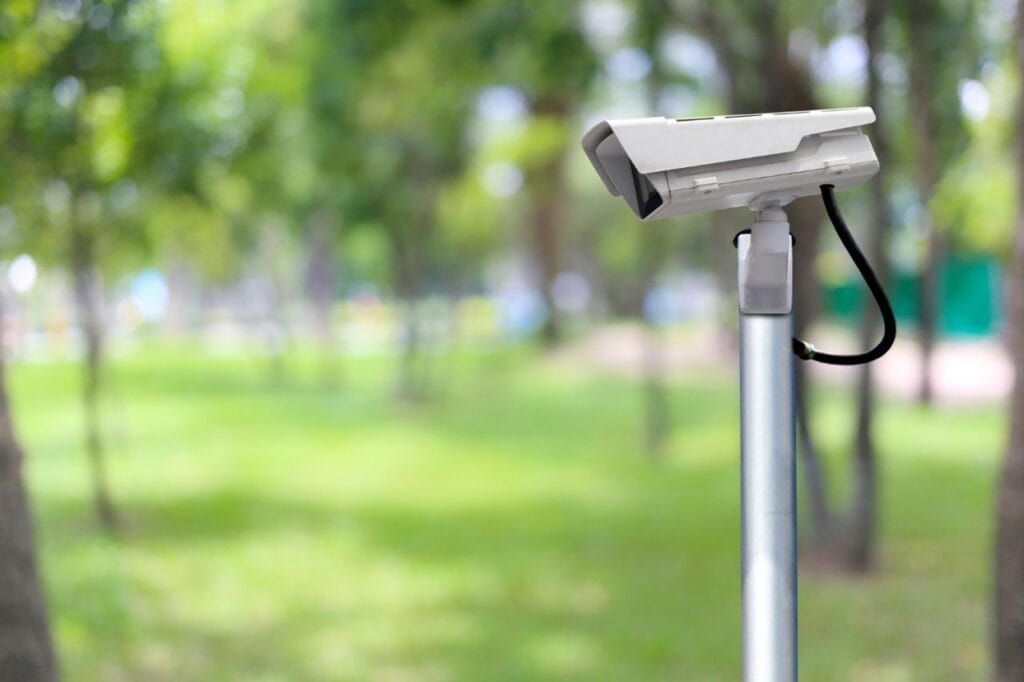
Keep in mind there is no need for alarm about this particular kind of hacking. WPA2-AES encryption, used by Reolink and a handful of other top-tier manufacturers, is a viable solution to this problem. Most people agree that the safest option is to use WiFi protected by a password.
Remote Hacks
This happens every time a camera uploads a video to the internet. It's possible for crooks to break into security cameras by taking advantage of a data leak or weak password protection.
For this reason, several varieties of surveillance cameras are designed specifically to be breached. Consequently, even connected security cameras may be hacked.
Please be aware that there are technologies that may greatly reduce the chances of remotely hacking of security cameras. The SSL/TLS protocol, which is used by Reolink, encrypts data sent over the internet and ensures that it remains private.
Conclusion
The telltale signs that your security camera has been hacked may vary depending on the nature of the intrusion. There are a few warning indicators whether you have cameras installed inside or outside your house. Read on to learn the telltale symptoms and some preventive steps you can take to keep your home secure. LED lights are an effective visual aid for raising people's awareness. If the camera's lights are flashing fast and you're not using them, a hacker is likely attempting to get access to your system.
rebooting the camera may be required before determining whether or not it is working properly again. The unexpected occurrence of the app failing to log in is indicative of a camera hack. Increased data traffic may be used as evidence that the feed has not been tampered with. Some routers and gateways will keep tabs on the amount of data being sent via them. Use a strong password to safeguard your WiFi network if you decide to use it as part of your home security system.
Restrict access to the system so that only your desktop, laptop, and smartphone can sign in. If you want the latest features and bug fixes, then you need to update your camera's firmware. A security camera may be shielded from intruders by using both a firewall and antivirus software. It's possible for crooks to break into security cameras by taking advantage of a data leak or weak password protection. There are technologies that may greatly reduce the chances of remotely hacking of security cameras.
Content Summary
- As a homeowner, you may wonder how you can tell if someone has broken into your security cameras at home.
- Unfortunately, there is no universally applicable answer to this issue, since the telltale indicators that your security camera has been hacked may vary based on the nature of the intrusion.
- However, you may boost your chances of spotting a breach before substantial harm is done if you are aware of some of the most typical symptoms that your security camera has been hacked.
- To do this, think of the material offered in the paragraphs below.
- Read on to learn the telltale symptoms that your security camera has been compromised, as well as some preventive steps you can take to keep your home and loved ones secure.
- Enjoy your day.
- How To Detect Hacking Of Your Security Camera Shocking reports of hackers breaching home security systems and monitoring families through their webcams are circulating online.
- Reading these accounts may make the owner of a home security system uncomfortably nervous.
- Integrating connectivity capabilities into your security system may improve it by allowing you to see your video stream from a distance and save your surveillance footage in the cloud.
- Many state-of-the-art burglar alarms provide these functions.
- However, if not utilised appropriately, the connection functions constitute a security risk, since a thief may get access to your video streams.
- To better react to a security breach, you should be aware of a few warning indicators whether you have cameras installed inside or outside your house.
- Let's start with the most blatant signs that a hacker has compromised your system security.
- If the attackers are serious about being heard, they will utilise your camera's two-way talk feature to communicate with you.
- Most security cameras have this feature built in, allowing consumers to speak with whomever is in the house.
- You'll know something is wrong, however, if you start to hear odd noises or voices trying to talk to you.
- Check this list of high-quality and affordable Melbourne CCTV to help you decide which product to choose for your home security.
- If your security camera is making odd sounds, it's possible that an unauthorised person has gained access to it and is monitoring your whereabouts.
- Be very cautious because of this, even if the sound is quite low and seems insignificant.
- Don't ignore the tiniest particulars; every little thing counts.
- The Light From The Led Is On.
- Most interior security cameras include a blinking LED light that comes on while the camera is being watched remotely, as a precaution.
- Having the camera's LED light illuminate whenever it's being accessed is a good visual cue for keeping folks on their toes.
- Numerous security cameras make use of LED lights to communicate various states of operation.
- When the camera's LEDs begin flashing quickly, for instance, it means that an effort is being made to establish a connection.
- Depending on the nature of the problem, rebooting the camera may be required before determining whether or not it is working properly again.
- LED lights are an effective visual aid for raising people's awareness.
- For further information on what each of the camera's LED lights indicates, including whether they flash steadily or randomly, it is recommended that you consult the user handbook.
- If the camera's lights are flashing fast and you're not using them, a hacker is likely attempting to get access to your system.
- Tilting Or Panning Most stationary (fixed) interior security cameras, such as baby or nanny cams, do, however, offer some degree of rotation.
- The camera here may be moved in three dimensions: horizontally, vertically, and in a zoom function.
- The camera's angle may also be changed through an app on either a mobile device or a PC, depending on your preference.