

Do you think it is wise to invest in the time and money needed to set up a home security alarm monitoring system? With the ever-increasing cost of these systems, this is an issue that more and more households are being forced to consider. While there are many clear benefits to installing an alarm monitoring system, there are a few factors to consider before making a final decision. This being the case, let's examine the claims made on both sides of the debate.
Is Alarm Monitoring Worth It?
This is a frequent concern raised by new clients when we install their security systems. What are the benefits of investing in a monitoring service for your alarm system? If we receive such a great bargain on the system itself, why should we have to pay more for monitoring? Why can't the neighbour simply stop over when the alarm goes off and see if everything's okay while we're not there? All of these are reasonable concerns to have when deciding whether or not to add a monitoring service to your home security alarm.
The quick solutions to these three inquiries are as follows:
- Alarm monitoring is, indeed, worthwhile,
- Monitoring adds another layer of protection and peace of mind to your family and home,
- What about if your neighbour doesn't hear the alert because they're out?
- What happens next?
However, installing an alarm system is just half the battle. The constant beeping of security systems might become a nuisance if they aren't being monitored.
Frequently Asked Questions Alarm System
Alarm monitoring is part of a complete home security system. It sounds like an alarm within the home (often extremely high decibel so that you can hear it as can neighbours in some cases) and sounds an alarm with a professional monitoring company.
The control panel communicates with the other system parts, including the cameras, window and door sensors, and motion sensors, to detect an intruder or something wrong. Then, the monitoring company immediately sets to action, connecting with you and notifying the authorities.
Alarm monitoring has different technical aspects depending on the system that you have. Your system control panel is the heart of the entire security system. Most systems will include many different parts, including sensors, cameras, temperature detectors, flood detecting, smoke detecting, and so much more.
When the system is armed, anything that triggers it will alarm the monitoring company and your mobile application.
Your system is mostly wireless, so you do not have to worry about cutting cords or losing power.
Most monitoring companies will first reach out to you so that they can know if the alarm was real or if it was an accident. If you don't respond or say that it wasn't an accident, the alarm monitoring company will immediately alert the authorities.
Then, different parts of your system will trigger different alarm parts, which tells the monitoring company what you need – police, paramedics, or firefighters.
Unmonitored alarm systems do not connect to professional monitoring. Instead, they sound an alarm to let you know there is a problem and then allows you to take action. This will scare off some intruders but often doesn't do much beyond that.
These usually aren't part of a monitoring system either – they act by themselves. Sometimes you can get door or window sensors with "local" alarms that sound throughout the home – but these tend to be extremely easy to disarm.
Many emergencies require immediate intervention, especially if you aren't home to hear the alarm. This is why we always suggest monitored alarm systems, especially for people who aren't home at all times.
Cellular alarm monitoring is more expensive because there are added fees that must be paid to the cellular service provider. A monitored system can send outbound signals during alarm events.
Depending on the company, a home alarm may continue to work without monitoring. Customers who cancel their monitoring service can try resetting their home security equipment. They may find that their home security system is still mostly functional. ... Especially if you're away from home and receive an alert of a break-in.
What Is Alarm Monitoring And How Does It Work?
Alarm monitoring is the process through which your home security system is connected to your security provider's monitoring centre and regular updates are sent to you. In the event of an emergency, your control panel will send a signal to a central location for further evaluation. When an emergency occurs at your home, the central monitoring station is notified immediately.
Types Of Home Security Alarms
While the specifics of alarm monitoring may vary somewhat from one security firm to the next, the core purpose is the same for every kind of home security system. A variety of sensors, such as those listed below, may be controlled by your control panel.
- Window or door sensors
- Motion detectors
- Modifications to the phone booth may be detected by built-in sensors.
- Temperature monitors
- Flood sensors
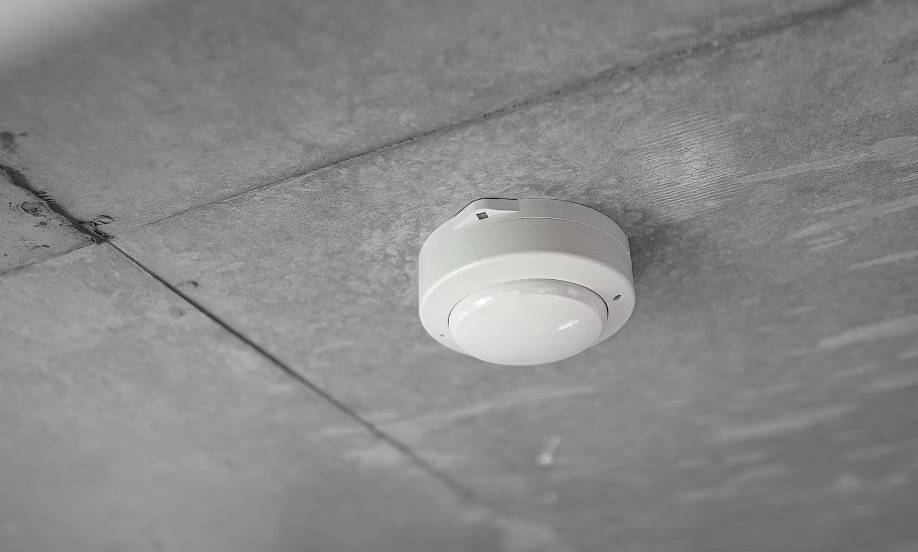
- Smoke detectors
- Carbon monoxide detectors
A signal is sent to the monitoring station, normally through your telephone line, whenever your security system is engaged and one of these sensors is triggered. However, in the event that the main means of transmission fails, several alarm monitoring systems include backup methods, such as Wi-Fi or cellular networks.
Monitored Alarm Response
You may be certain that the central station will be notified as soon as the first signal is sent from your control panel. Once they have determined that there is really an emergency, they will contact you by phone to let you know what's going on. If you don't reply to the alert, the monitoring service will notify the proper authorities and request the dispatch of emergency personnel.
Silent alarms, sometimes known as duress alarms, do not draw attention to the SOS call and are included in certain security systems. These alarms may be set off without waiting for a confirmation call. There is no requirement for a verification call to set off any of these alerts.
When the alarm goes off, your home security system contacts the monitoring station and relays information like your account number, which gives the station access to your address and contact information, and the type of sensor that has been triggered.
When an alarm is activated, the monitoring service will contact the appropriate authorities. Simultaneously, the signal from a medical alert pendant will be sent to the nearest medical emergency service, such as a paramedic or ambulance unit.
Unmonitored Alarm Response
Unmonitored "local" alarms provide a variety of important benefits. If the alarm goes off when you're at home, you'll know something's wrong and may take precautions before things become worse.
Unfortunately, the vast majority of would-be burglars will ignore the alarm and quickly deactivate your system. There's a chance the loudness may scare away less dedicated burglars, however. Planning to put a security system in your place?
The Value Of Security Monitoring
Reduce Insurance Premiums
Homeowners insurance and property insurance premiums may be reduced if a monitored security system is installed and maintained by a licensed expert. In order to get policy-specific details, you need to contact your insurance company. The cost of monitoring may be nullified by the savings on premiums, resulting in a win-win scenario.
Peace Of Mind
Most people have a few irreplaceable items in their homes, such as family heirlooms, priceless artwork, rare collectibles, and the like.
Although insurance may help, there are certain items that just can't be replaced. Alarm monitoring is a worthwhile investment that may help safeguard your possessions in the same way that having good insurance and a secure house does. You may rest easy knowing that your possessions are well-protected and secure if you take into account all of these factors.
Flexible Monitoring Options
You have a lot of options in deciding how extensive an alarm monitoring service to get for your home, depending on factors like your budget, the value of your belongings, and the amount of protection you feel you need.
Some individuals choose a self-monitored system that just notifies them through phone call or text message whenever the alarm goes off.
Remotely monitoring the situation and taking action depending on what you see is made possible by certain security systems that let you see CCTV video on your mobile device or personal computer.
Still others discover that selecting a reputable alarm monitoring firm that can interact with a central station provides the greatest and most complete security for their property.
A monitoring service may respond to an alert in your absence or if you are unable to reach your phone when it goes off. This often entails contacting the persons on your emergency contact list, dispatching a security guard, or reporting the incident to the authorities. (The desired method of responding will dictate the precise technique.)
Added Protection
In addition to the standard services they provide, several security firms provide value-added ones, such as guard response. As soon as the alarm goes off, a trained security guard will be sent to your location. If there has been a break-in, the guard will determine the origin of the alarm and lock down the facility until you, a friend, or the police can come.
Imagine you have a demanding schedule that requires you to spend a lot of time away from home, or that you just like spending a lot of time out and about outside the house. If that's the case, you may set up random patrols of security personnel to keep an eye on the premises. To further guarantee your family's safety, these guards may also do a thorough visual check of all entryways and the functioning of the security system.
Never Ignored
Activating a traditional alarm that relies only on bells will result in a large volume of noise and, at most, a briefly illuminated area. You may get away with it at home, but what about outside? Sadly, many people ignore alerts (in fact, 74% of respondents acknowledged to doing so*).
Alarms that are being watched will send a signal to an established command post. If we are unable to reach you after many attempts, or if an invalid reset code is provided, we will take action.
Tailored Response
If you choose, you may use a Private Security Response system instead, which will send a trained guard to your location.
They may do a walk-around examination of the outside, or they might ask to be granted keyholder status and check out the interior. Finally, a Police Response Package guarantees that the necessary authorities will be sent to your place as soon as feasible.
Smarter Security
The home security market has been radically altered by technology developments in recent years. Many stores now have cameras and motion detectors that can be connected to smart devices, allowing customers to set up their own security systems and be apprised of any threats.
Combining monitoring with these various security technologies will provide you an extra buffer against potential threats. When you have alarm monitoring installed, you can be certain that keyholders, security personnel, or the authorities will be notified as soon as they get information that someone is up to no good.
Monitored And Maintained
Your security system's health gives you more peace of mind and confidence, and that's before you even consider the benefits of regular maintenance. With the aid of a remote support staff, we monitor the functionality of each alarm and sensor, and if they detect anything out of the ordinary, they will get in contact with you immediately.
They will attempt to fix the problem remotely first. In cases when an engineer is not strictly necessary, you may avoid wasting time waiting for one. If you do all of the necessary maintenance on your system, you will eliminate a potential source of stress. By doing so, you can be certain that it will continue to serve its intended function and provide protection against the threats it was designed to eliminate.
Self-Monitoring Vs. Professional Alarm Monitoring
If you have a home or business alarm system, you must subscribe to a monitoring service. Proactive monitoring by experts and self-monitoring are the two most common types of surveillance. There are benefits and drawbacks to each. While it may seem more convenient and less expensive to monitor your own alarm system, it is highly advised that you use a professional monitoring service.
Self-Monitored Alarm Systems
If you want to be in charge of your own security, that's a choice. Whether you want to check in on your alarm's status from your desktop or your phone, you can do it with ease. Your system may be set up to directly dial your cell phone or a number from your contact list, depending on your preferences.
You may even use certain systems to keep an eye on things at home. Parents who must remain at work when their children return from school may find some measure of peace of mind in being able to check in on their house through live video stream.
Emails and texts sent from your security system when an alert is triggered will include information about the particular area where the alarm was set off. Any new alarm system installation, or an upgrade to an existing system, gives you the option to proceed in this way.
Self-monitoring, however, does come with a few big limitations. For starters, the only alarm system being monitored is yours; if you are a victim of a home invasion and are unable to contact the police or are forced to switch off the alarm system, you may have trouble getting aid.
Professional Alarm Monitoring
A number of helpful features that come standard with expert alarm monitoring services are unavailable if you opt to monitor the alarm system yourself.
One of these functions is the ability to immediately notify the monitoring service of an emergency at your home or place of business. By working with your monitoring provider, you may set up a crisis code that sends a signal that you need help but disables the alarm, for instance.
If you want to feel comfortable and secure in your home, it's crucial that you choose a reliable alarm monitoring service with a competent team and prompt reaction times. For instance, studies have shown that alarms prevent over 70% of would-be burglaries just by sounding.
There aren't really any negatives to using a professional alarm monitoring service hooked up to the alarm system in your house. Although there is a small monthly fee, some home insurance companies may provide discounts to customers who can prove they have a working alarm system installed.
Like a self-monitored alarm system, a system that allows you to access your home security system from any Internet-connected device is becoming more common. A tablet computer or a work computer are two possibilities. Alarm systems may be set up to give you alerts when they are armed or deactivated, should you so choose.
Additionally, any IP-capable video camera set up in or around the house may be accessed through a password-protected website, allowing for real-time monitoring. Either you or a third-party monitoring service may use this feature.
A live person from the monitoring service will check on the alarm if it hasn't been deactivated after a certain length of time; if there is no response or a distress code is provided, the police will be sent to conduct a welfare check. These are the major benefits of hiring a monitoring service instead of setting up your own system. Alarm monitoring also helps families feel more secure both at home and while they are abroad.
Remember that without expert monitoring, the police may not come to investigate an alarm unless an irate neighbour phones to complain about the noise.
Any home or business security system is useless without a reliable alarm monitoring service. But there are never enough safety measures to ensure the well-being of those you care about.
Conclusion
Is it worth investing in a monitoring service for your home security alarm system? There are many benefits to installing an alarm monitoring system, but is it worth it? Check out our list of high-quality and affordable Melbourne CCTV to help you decide which product to choose. Monitoring adds another layer of protection and peace of mind to your family and home. In the event of an emergency, your control panel will send a signal to a central location for further evaluation.
Some alarm monitoring systems include backup methods, such as Wi-Fi or cellular networks. Alarm monitoring may help safeguard your possessions in the same way that good insurance and a secure house does. The cost of monitoring may be nullified by the savings on premiums, resulting in a win-win scenario.
Content Summary
- Do you think it is wise to invest in the time and money needed to set up a home security alarm monitoring system?
- With the ever-increasing cost of these systems, this is an issue that more and more households are being forced to consider.
- While there are many clear benefits to installing an alarm monitoring system, there are a few factors to consider before making a final decision.
- This being the case, let's examine the claims made on both sides of the debate.
- Is Alarm Monitoring Worth It?
- This is a frequent concern raised by new clients when we install their security systems.
- What are the benefits of investing in a monitoring service for your alarm system?
- If we receive such a great bargain on the system itself, why should we have to pay more for monitoring?
- Why can't the neighbour simply stop over when the alarm goes off and see if everything's okay while we're not there?
- All of these are reasonable concerns to have when deciding whether or not to add a monitoring service to your home security alarm.
- Check this list of high-quality and affordable Melbourne CCTV to help you decide which product to choose for your home security.
- The quick solutions to these three inquiries are as follows: Alarm monitoring is, indeed, worthwhile, Monitoring adds another layer of protection and peace of mind to your family and home, What about if your neighbour doesn't hear the alert because they're out?
- What happens next?
- However, installing an alarm system is just half the battle.
- The constant beeping of security systems might become a nuisance if they aren't being monitored.
- What Is Alarm Monitoring And How Does It Work?
- Alarm monitoring is the process through which your home security system is connected to your security provider's monitoring centre and regular updates are sent to you.
- In the event of an emergency, your control panel will send a signal to a central location for further evaluation.
- When an emergency occurs at your home, the central monitoring station is notified immediately.
- Types Of Home Security Alarms While the specifics of alarm monitoring may vary somewhat from one security firm to the next, the core purpose is the same for every kind of home security system.
- A variety of sensors, such as those listed below, may be controlled by your control panel.
- Window or door sensors Motion detectors Modifications to the phone booth may be detected by built-in sensors.
- Temperature monitors Flood sensors Smoke detectors Carbon monoxide detectors A signal is sent to the monitoring station, normally through your telephone line, whenever your security system is engaged and one of these sensors is triggered.
- However, in the event that the main means of transmission fails, several alarm monitoring systems include backup methods, such as Wi-Fi or cellular networks.
- Monitored Alarm Response You may be certain that the central station will be notified as soon as the first signal is sent from your control panel.
- Once they have determined that there is really an emergency, they will contact you by phone to let you know what's going on.
- If you don't reply to the alert, the monitoring service will notify the proper authorities and request the dispatch of emergency personnel.
- Silent alarms, sometimes known as duress alarms, do not draw attention to the SOS call and are included in certain security systems.
- These alarms may be set off without waiting for a confirmation call.
- There is no requirement for a verification call to set off any of these alerts.
- When the alarm goes off, your home security system contacts the monitoring station and relays information like your account number, which gives the station access to your address and contact information, and the type of sensor that has been triggered.
- When an alarm is activated, the monitoring service will contact the appropriate authorities.
- Simultaneously, the signal from a medical alert pendant will be sent to the nearest medical emergency service, such as a paramedic or ambulance unit.
- Unmonitored Alarm Response Unmonitored "local" alarms provide a variety of important benefits.
- If the alarm goes off when you're at home, you'll know something's wrong and may take precautions before things become worse.
- Unfortunately, the vast majority of would-be burglars will ignore the alarm and quickly deactivate your system.
- There's a chance the loudness may scare away less dedicated burglars, however.
- Planning to put a security system in your place?
- At Defend Security Group, you can find high quality and affordable Melbourne home security for your needs.
- The Value Of Security Monitoring Reduce Insurance Premiums Homeowners insurance and property insurance premiums may be reduced if a monitored security system is installed and maintained by a licensed expert.
- In order to get policy-specific details, you need to contact your insurance company.
- The cost of monitoring may be nullified by the savings on premiums, resulting in a win-win scenario.
- Peace Of Mind Most people have a few irreplaceable items in their homes, such as family heirlooms, priceless artwork, rare collectibles, and the like.
- Although insurance may help, there are certain items that just can't be replaced.
- Alarm monitoring is a worthwhile investment that may help safeguard your possessions in the same way that having good insurance and a secure house does.
- You may rest easy knowing that your possessions are well-protected and secure if you take into account all of these factors.