
Are you considering getting a home security system? If so, you've undoubtedly been researching the many home security options available.
As a consequence of societal shifts, there is more crime in the world now than ever before. Personal security is of paramount significance to you. The old adage that closing your doors and windows will keep burglars out is just not true nowadays.
Finding the best option for your needs from the many possibilities might be difficult. In this piece, we'll examine the many options for home security systems now available and provide some pointers for picking the right one for your needs. Worrying about your home’s security? Then Defend Security Group home security Melbourne is the right choice!
The Types Of Security Cameras
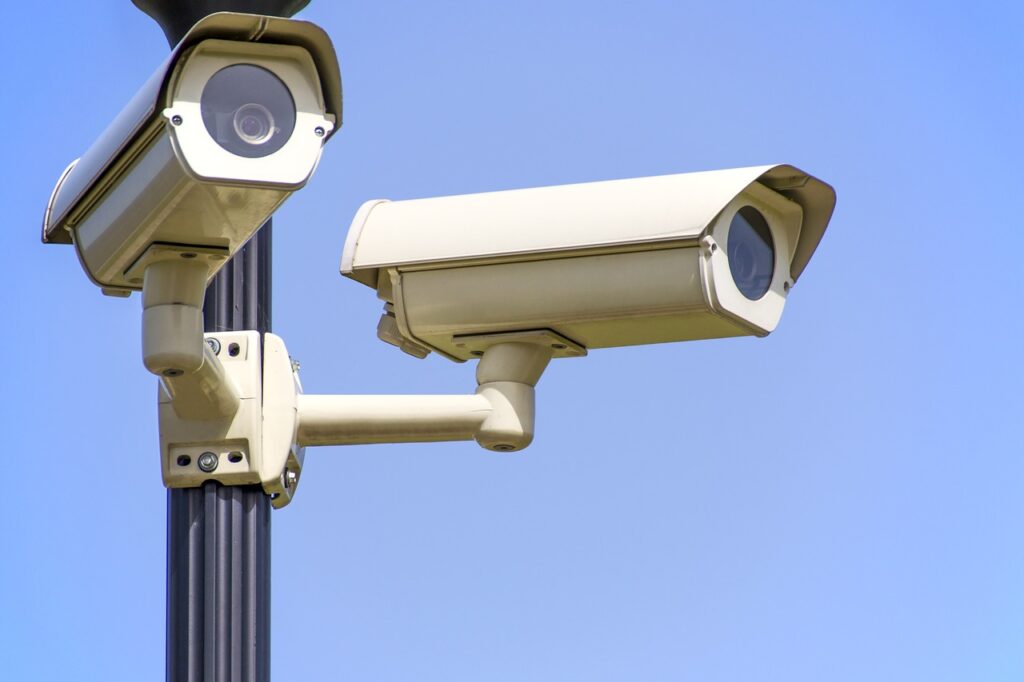
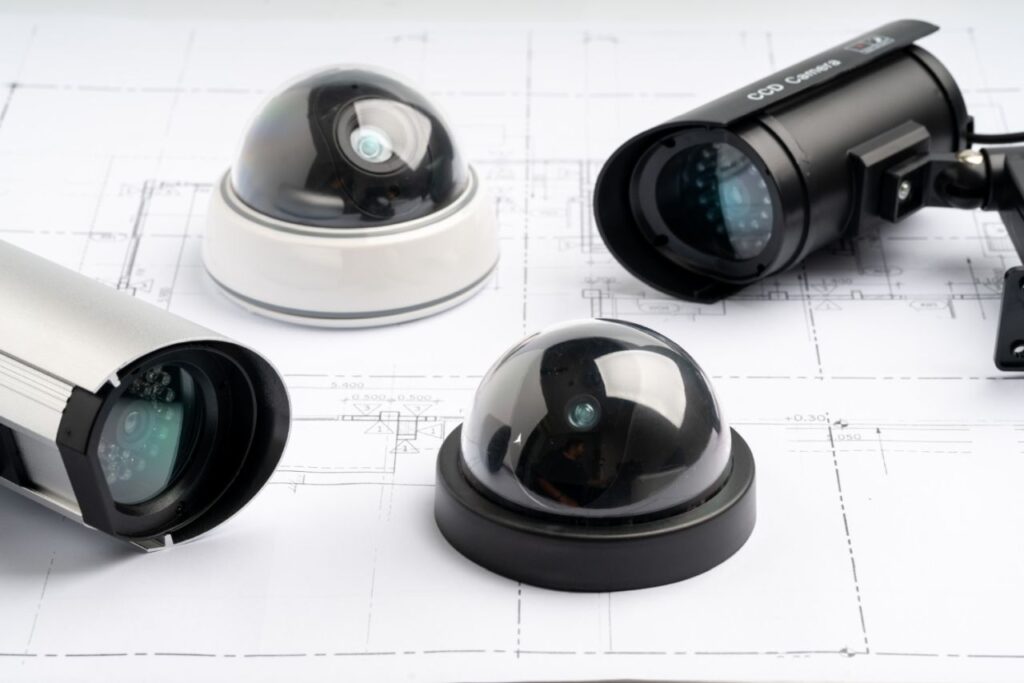
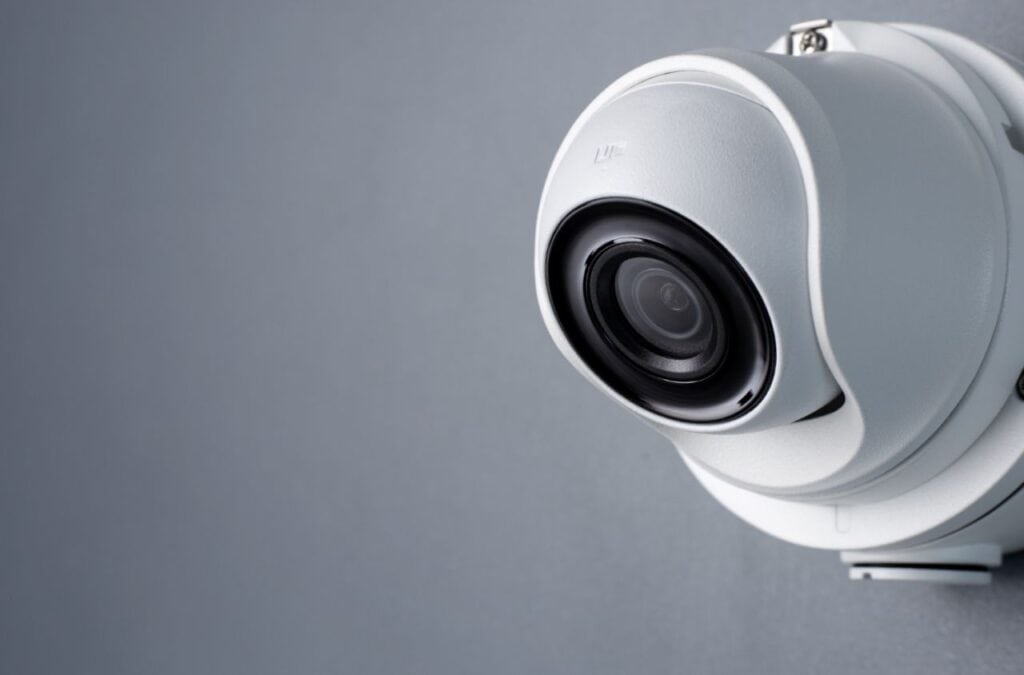
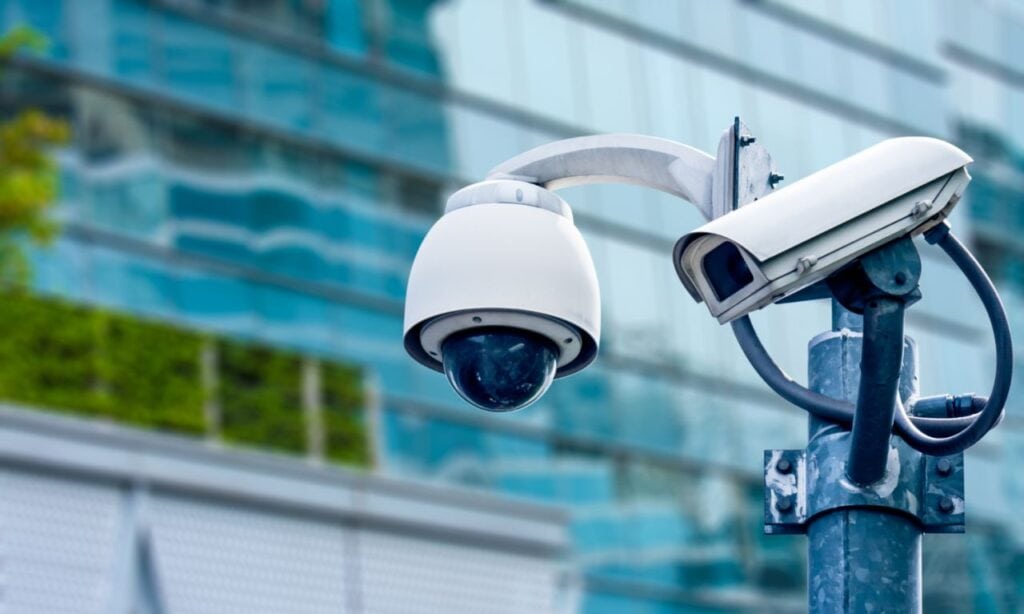
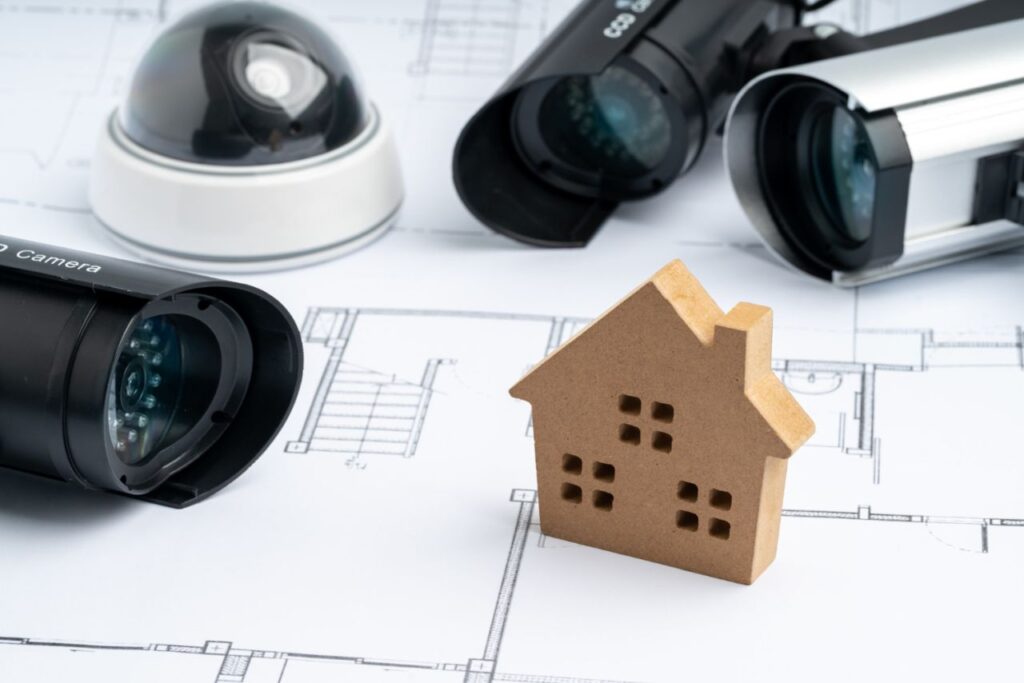
While there are many different kinds of security cameras on the market today, they all serve the same purpose: to keep tabs on and record what goes on within a building, whether it is a store, a house, or something else entirely. The thin and threatening bullet camera may be contrasted with the sleek and stealthy small turret camera, demonstrating the versatility of today's camera technology. Hardwired cameras that are permanently deployed in strategic places provide the best overall coverage.
Wireless Surveillance Cameras
Even though wireless CCTV cameras may be moved around more easily than their connected counterparts, this does not always make them the superior choice for a fixed installation.
The number of cameras that may be utilised is often restricted due to the cameras' reliance on their own batteries and the WiFi network in their local area. In most cases, even the most robust networks can only handle streaming two or three channels at once. Additionally, the 1.3-megapixel limit on wireless camera footage limits the level of information that may be detected and utilised as evidence in the future. This is a significant downside of this camera technology.
Hardwired CCTV Network
Conversely, a hardwired system may control as many cameras as are attached to it. Since the resolution of a modern CCTV system may exceed 8 megapixels, it is perfect for monitoring in near-real time.
Physical cameras, particularly bullet versions of such cameras, may be quite intimidating to would-be criminals. They're more easily broken than wireless cameras, but that's balanced out by the fact that they're more reliable overall.
Frequently Asked Questions About Security System
The alarm system is a must-have for any home. It's an easy and affordable way to protect your belongings from theft or destruction, with four different pieces that can be set up in minutes! A sensor attaches directly onto the circuit board.
At the same time, motion detectors rely on Febreeze technology - they detect movement even if it's small, so you'll know about everything going down right away no matter where it happens at once, including bedrooms during the middle of nighttime periods when nobody expects anything unusual happening.
Security experts agree that the three most important components of a physical security plan are access control, surveillance, and security testing, which work together to make your space more secure.
If you have a limited budget, at the very basic level, look at an alarm system that you can attach to your doors and windows. When the alarm is triggered, you'll hear it (if you're at home), or the neighbours will know. The noise may also scare off the intruder.
However, if you're looking for more safety features, consider a system that offers some level of monitoring.
There's no question that alarm systems deter crime and can increase the odds of catching a burglar if your home does get broken into. In addition, security systems and monitoring discourage break-ins: 60% of convicted burglars say they will target another home if they discover a security system in the one they are trying to rob.
The system is outdated: It's a good idea to upgrade your system every 5 to 10 years. Around this timeframe, components may potentially start to malfunction and cause issues such as false alarms. Going Wireless: Traditionally, home security systems communicated to the monitoring centre by telephone lines.
Types Of Security System For Your Home
When compared to a video surveillance system, a security alarm system may function independently. Like a camera, a sensor keeps an eye on a certain area, but its main function is to keep you safe by detecting intruders and issuing an alert. Whether it's a motion detector, glass break detector, door/window sensor, or all four, they are standard in most modern houses.
Monitored Alarm
A monitored alarm is quite different in operation from a standard security alarm. Whether the alarm goes off, a designated member of staff will get in touch with you to figure out if it was an accident or if there really is a security breach. If the staff does find the genuine security breach, they will notify the local authorities immediately.
The most significant benefit of having a monitored alarm is the assurance of knowing that its activation will not be ignored. How often have we turned over and ignored an alarm only to find ourselves wide awake an hour later?
The security centre is open 24/7 and is in constant communication with the alarms that are linked to it. They'll let you or anybody you've chosen to be a key holder know.
A licensed technician, either one the security firm directly employs or one that comes highly recommended, will set up the alarms for you.
There will be a recurring monthly cost associated with the service(s) you choose. These monitored burglar alarms seem to be more costly and off kits, and you also have to consider the monthly costs that they attract; but, if you live in an area where your house is more likely to be attacked by burglars, you may decide that the extra money is well spent.
A sizable number of companies currently provide this service. Both regional providers and nationally recognised names like ADT provide them all throughout the United Kingdom. Maintenance contracts for alarm systems are often offered as an additional service. This may include both checking for faults remotely and fixing any issues locally.This article will help you make a decision about Melbourne home & business video intercom systems. Here at Defend Security Group, we’re committed!
Some examples of "paid for" services that often come with varying degrees of security coverage are as follows:
Keyholder Monitoring
The monitoring provider you choose will likely provide you with this feature. The organisation will either get in touch with the keyholder you've specified or send a security officer to your site for an inspection, depending on the level of service you've booked.
A keyholder for your home should ideally reside within 20-30 minutes of the property (which means they should be able to drive there) and should also have a spare set of keys in their possession. You must provide the keyholder with a new set of keys if you decide to alter the locks on your home. You are to blame for this situation.
You must also give the monitoring service with the current name(s) and contact information(s) of your selected keyholder, as well as a secondary and, in certain cases, tertiary contact in the event that the main contact is unavailable or travelling.
Police Monitoring
By contacting both the monitoring centre and the local police in the event of a security breach, this level of service ensures that all parties are informed of any potential danger immediately.
Most agreements stipulate that a minimum of two sensors installed on the premises must be activated before the police would be notified (e.g., a motion detector and a door sensor).
Despite the fact that at first glance this seems to be a fantastic feature, there are a few things you should be aware of. To begin, make sure your monitoring service is officially recognised by the authorities in your area. Since a corollary, there is no assurance that the police will arrive quickly, as their response time is contingent on the severity of the situation and other factors. In the end, if they react to three fraudulent callouts over a 12-month period, you will be removed from the list and will not get any further responses. This may seem to be a fantastic feature; yet there are
Smoke Alarm
The smoke alarm is a common example of an alarm system. It may be used in a wide range of structures, from homes to offices. The smoke detectors that make up the alarm system may be found placed strategically around the home. When these sensors detect heat or smoke, an alert will go off. A sprinkler system installed inside is another option for those who want to feel extra safe.
Intruder Alarm
A burglar alarm is a must-have if you're worried about a break-in. A motion detector and a window/door sensor are included in these alarm systems. A single keypad may be used to set off the alarm, and it can even be safeguarded with a PIN if need be. When set off, the alarm will go off anytime the detectors detect any form of motion or an attempted break-in. Likewise, the incident is reported to the appropriate authorities in the area.
Different burglar alarms use a wide range of techniques to zero in on the exact location of an intruder. In addition, they may raise the alert in a variety of ways.
These may include the use of blaring music, ringing bells, flashing lights, or even sending an SMS message to a security command centre or your own phone. They may also include a combination of the items mentioned above. In general, home security systems will sound one of the following alarms when:
Bells-Only Alarms:
The alarm system itself is usually the only component of this sort of alert. Alarms will sound to notify others around whenever a sensor is triggered, such as when a door is opened or a motion detector motion. One problem is that results are not guaranteed if anybody pays attention or acts.
Notification Alarms:
Each time the alarm is set off, it either contacts a central monitoring station or sends a message to a designated contact through email or text message to let them know that a possible break-in has been detected. Included in this group are speech dialers, whose main purpose is to call a list of numbers until they are answered, or a message may be left.
There are two main types of sensors or detectors used by home security systems. These may take the form of motion detectors or sensors.
Magnetic Contacts:
Magnetic contacts installed on both the closed and open sides of a door or window (say, on the stationary frame and the swinging pane) complete a circuit when the door or window is shut. Yet, if they ever become separated, the alarm will go off since the circuit will be broken. These sensors also come in many more forms and configurations. A good illustration is provided below.
Interior Passive Infrared Detectors (PIR'S):
When they detect motion and body heat inside a certain range, an alert sound. The following is a case in point of this kind of thing. The vast majority of home security systems make use of this specific kind of detector. They, like other contemporary systems, may either be hardwired to the main control panel or run-on wireless technology.
CCTV Cameras
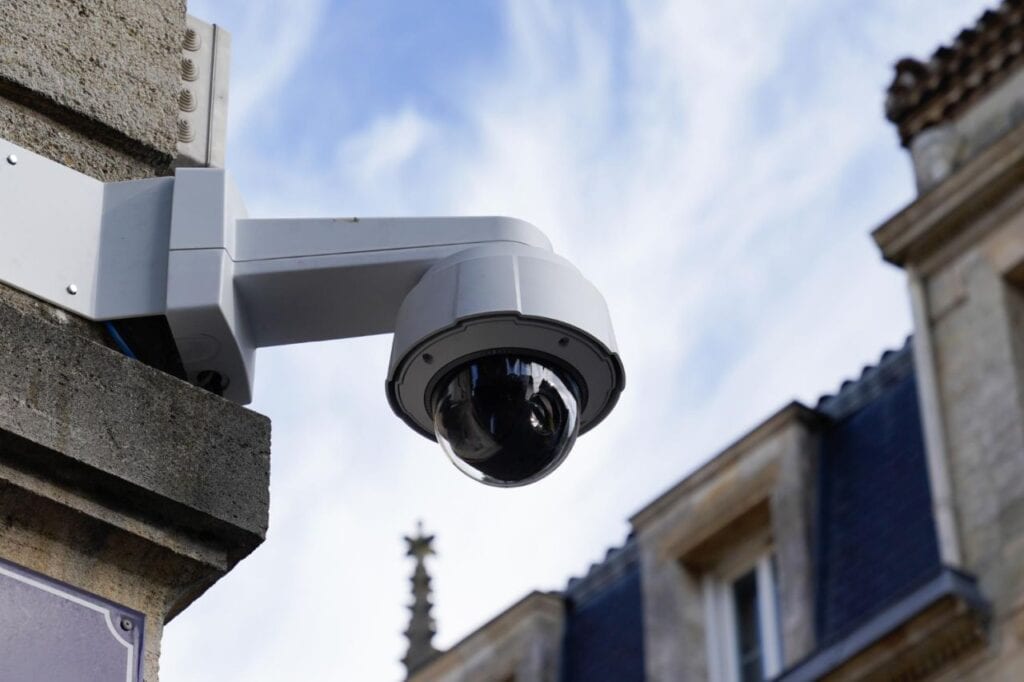
CCTV cameras are an effective way to identify a potential intruder. Eventually, it will aid local authorities in determining who did it. And you can monitor anybody who has been keeping a close watch on your house. A possible intruder is on the other line.
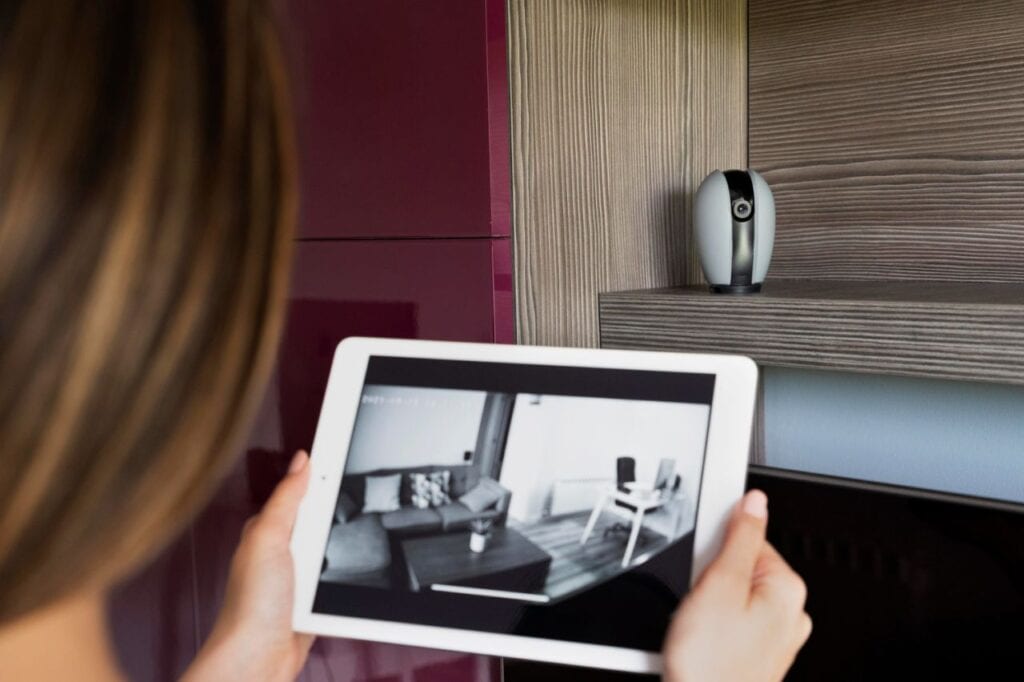
CCTV cameras' unique feature is that they can be accessible remotely, allowing you to keep an eye on the property even while you're not there.
Security Guard
Having a security guard present is a tried and tested technique of deterring unwanted visitors from entering your property. Nevertheless, it's a huge hit. If you live in a big apartment building or on a significant plot of land that you own, hiring a security guard is a sensible decision. A guard who patrols the neighbourhood surrounding your house may keep an eye on things and make sure you're safe. They can also interrogate everyone who knocks on your door, adding an extra layer of security.
DIY Alarms
If you're a handy person, installing a home security system you put together on your own shouldn't be too much of a challenge. That's a great option if you're strapped for cash.
DIY security alarm kits come with many different components and choices, including wired and wireless connections. Both may be customised with a number of add-ons including more magnetic connections, remote controllers, cameras, and PIR sensors, while the latter is easier to set up and takes less time to complete.
Most kits also include "bells only" or "notifications only" variants. The latter may be more difficult to set up since it may need the configuration of programmes and sim cards, among other things; thus, it is crucial to read and follow the instructions.
One thing to bear in mind is that if you want a "monitored" system, it is very doubtful that you will be able to utilise a do-it-yourself alarm kit installation kit. This is because almost all companies offering a monitored service insist that their own in-house experts carry out the installation.
Both varieties allow you to set a personal PIN to arm and disarm the alarm, allowing you individualised security.
Due to the absence of a central command and control facility, DIY packages do not incur any further monthly costs after first purchase.
GSM Alarms
First, let's establish some context, shall we? Then, what does "GSM Alarm" stand for? Before anything else: "Global System for Mobile communications" abbreviates "GSM." Since it uses a SIM card like a mobile phone, you don't need a landline to use it. Modern GSM alarms are designed so that your phone may act as a remote for your home security system. Check this list of high-quality and affordable Melbourne CCTV to help you decide which product to choose for your home security.
The employment of GSM temperature monitors and flood detectors is one option among several.
When a sensor is triggered, the system may alert either a mobile device or a control centre, depending on whether or not a monitoring contract is in place. Rapid communication is possible with these alerts.
CCTV Systems
When you hear "CCTV," you know that it refers to a kind of surveillance system. Putting up a surveillance camera system is not illegal if you are the property owner. Find out whether you need a permit by doing a quick search.
Your camera's focus should be kept only on your property lines, not those of your neighbours unless you have their express consent to do so.
Be mindful of where you aim your cameras, since doing so outside of your property line might be considered harassment and a violation of The Human Rights Act.
How To Detect Areas At Risk
Many different kinds of houses have different weaknesses when it comes to questions of safety and security.
As night comes, the area immediately around the ground floor windows of a house with extensive grounds may get rather gloomy. Allowing this will provide intruders the ability to choose an unobserved entry point. As a result, it is reasonable to consider installing security features like cameras, alarms, and lighting.
The most hazardous area of a two-story apartment building is the corridor leading to the front entrance, since this is the only route in or out. The most practical answer to this issue is probably a video door entry system.
Detectors placed at the front and rear doorways of a big terrace home may be a prudent investment. It's conceivable that each door is equipped with a magnetic contact or that there are PIRs installed on opposing walls.
When it comes to entering and leaving a home, most people trust the front door the most. A home security system's control panel should be located close to the front entrance so that it may be quickly activated before you leave. If you have this, you may relax knowing that your home is safe even while you're not there.
Improving Security By Using Exterior Lighting
Installing outdoor lighting is a simple and inexpensive way to deter criminal activity such as vandalism and theft from occurring on your property. Of all, it seems to reason that intruders would prefer to operate in the shadows.
These are some of the many varieties of outdoor security lighting:
PIR Security Lighting
The passive infrared (PIR) motion sensor lights will activate when someone enters the range of the sensors. Once the set period has passed with no motion being detected, the light will switch off and stay off until it senses motion again.
Security Lighting From Dusk To Dawn
"Dusk to dawn" lighting is designed to shine brightly for the duration of the night. The light may be activated at predetermined intervals through a timer or light sensor. They can both activate the light switch. These won't alert you if there is any suspicious activity on your property, but they should make your home less inviting to would-be burglars.
HI-LO Security Lighting
Automatic "Hi-Lo" lighting is activated by a light sensor at nightfall. This light is much weaker than the whole set, and it only activates in response to motion or heat. An efficient hybrid of the two methods, the Hi-Lo lighting system is a hybrid of high and low intensity lighting.
Energy Saving Solar And LED Options
When setting up the security lights, don't forget to shine some light on the rear entrances and any nearby alleyways.
While having motion-activated lights outside your house might assist you locate your keys in the dark, the main purpose of these fixtures is to prevent break-ins. As a result, you should assess the outside of your home at night to see whether any extra security lighting is required.
Conclusion
There are many different kinds of security cameras on the market today. Hardwired cameras that are permanently deployed in strategic places provide the best overall coverage. Since the resolution of a modern CCTV system may exceed 8 megapixels, it is perfect for monitoring in near-real time. A monitored alarm is quite different in operation from a standard security alarm. A designated member of staff will get in touch with you if an alarm goes off.
Maintenance contracts for alarm systems are often offered as an additional service. The most significant benefit is the assurance that its activation will not be ignored. A keyholder for your home should ideally reside within 20-30 minutes of the property. You must provide the keyholder with a new set of keys if you decide to alter the locks. A burglar alarm is a must-have if you're worried about a break-in.
Burglar alarms use a wide range of techniques to zero in on the exact location of an intruder. Alarms will sound to notify others around whenever a sensor is triggered, such as when a door is opened or a motion detector motion is detected. These may include blaring music, ringing bells, flashing lights, or even text alerts. If you're a handy person, installing a home security system shouldn't be too much of a challenge. If you live in a big apartment building or on a significant plot of land, hiring a security guard is a sensible decision.
Most kits also include "bells only" or "notifications only" variants. Putting up a surveillance camera system is not illegal if you are the property owner. The most hazardous area of a two-story apartment building is the corridor leading to the front entrance. Detectors placed at the front and rear doorways of a big terrace home may be a prudent investment. Installing outdoor lighting is a simple and inexpensive way to deter criminal activity such as vandalism and theft.
Passive infrared (PIR) motion sensor lights will activate when someone enters the range of the sensors. Hi-Lo lighting system is a hybrid of high and low intensity lighting. Most effective security systems are often a mix of many security systems, each of which is customised to your home. Motion detectors and glass break detectors, for instance, often include door and window sensors. Most current security alarms now have intuitive touch screens that are smartphone-compatible and can be accessed remotely.
Content Summary
- Are you considering getting a home security system?
- If so, you've undoubtedly been researching the many home security options available.
- As a consequence of societal shifts, there is more crime in the world now than ever before.
- Personal security is of paramount significance to you.
- Finding the best option for your needs from the many possibilities might be difficult.
- In this piece, we'll examine the many options for home security systems now available and provide some pointers for picking the right one for your needs.
- Worrying about your home's security?
- Types Of Security System For Your Home When compared to a video surveillance system, a security alarm system may function independently.
- Monitored Alarm A monitored alarm is quite different in operation from a standard security alarm.
- Maintenance contracts for alarm systems are often offered as an additional service.
- This article will help you make a decision about Melbourne home & business video intercom systems.
- Keyholder Monitoring The monitoring provider you choose will likely provide you with this feature.
- You must provide the keyholder with a new set of keys if you decide to alter the locks on your home.
- Police Monitoring By contacting both the monitoring centre and the local police in the event of a security breach, this level of service ensures that all parties are informed of any potential danger immediately.
- To begin, make sure your monitoring service is officially recognised by the authorities in your area.
- The smoke detectors that make up the alarm system may be found placed strategically around the home.
- A motion detector and a window/door sensor are included in these alarm systems.
- When set off, the alarm will go off anytime the detectors detect any form of motion or an attempted break-in.
- There are two main types of sensors or detectors used by home security systems.
- These may take the form of motion detectors or sensors.
- CCTV Cameras CCTV cameras are an effective way to identify a potential intruder.
- Security Guard Having a security guard present is a tried and tested technique of deterring unwanted visitors from entering your property.
- If you live in a big apartment building or on a significant plot of land that you own, hiring a security guard is a sensible decision.
- DIY Alarms If you're a handy person, installing a home security system you put together on your own shouldn't be too much of a challenge.
- DIY security alarm kits come with many different components and choices, including wired and wireless connections.
- One thing to bear in mind is that if you want a "monitored" system, it is very doubtful that you will be able to utilise a do-it-yourself alarm kit installation kit.
- Modern GSM alarms are designed so that your phone may act as a remote for your home security system.
- Check this list of high-quality and affordable Melbourne CCTV to help you decide which product to choose for your home security.
- Putting up a surveillance camera system is not illegal if you are the property owner.
- Find out whether you need a permit by doing a quick search.
- How To Detect Areas At Risk Many different kinds of houses have different weaknesses when it comes to questions of safety and security.
- As a result, it is reasonable to consider installing security features like cameras, alarms, and lighting.
- A home security system's control panel should be located close to the front entrance so that it may be quickly activated before you leave.
- If you have this, you may relax knowing that your home is safe even while you're not there.
- Improving Security By Using Exterior Lighting Installing outdoor lighting is a simple and inexpensive way to deter criminal activity such as vandalism and theft from occurring on your property.
- These are some of the many varieties of outdoor security lighting:PIR Security Lighting The passive infrared (PIR) motion sensor lights will activate when someone enters the range of the sensors.
- HI-LO Security Lighting Automatic "Hi-Lo" lighting is activated by a light sensor at nightfall.
- An efficient hybrid of the two methods, the Hi-Lo lighting system is a hybrid of high and low intensity lighting.
- Energy Saving Solar And LED Options When setting up the security lights, don't forget to shine some light on the rear entrances and any nearby alleyways.
- While having motion-activated lights outside your house might assist you locate your keys in the dark, the main purpose of these fixtures is to prevent break-ins.
- As a result, you should assess the outside of your home at night to see whether any extra security lighting is required.
- Motion detectors and glass break detectors, for instance, often include door and window sensors.
- They can only record which sector of the perimeter was violated and when, in contrast to the detailed information offered by a robust CCTV system.
- Get The Best With Safe And Sound The most effective security arrangement is often a mix of many security systems, each of which is customised to your home and needs by expert security system installers.