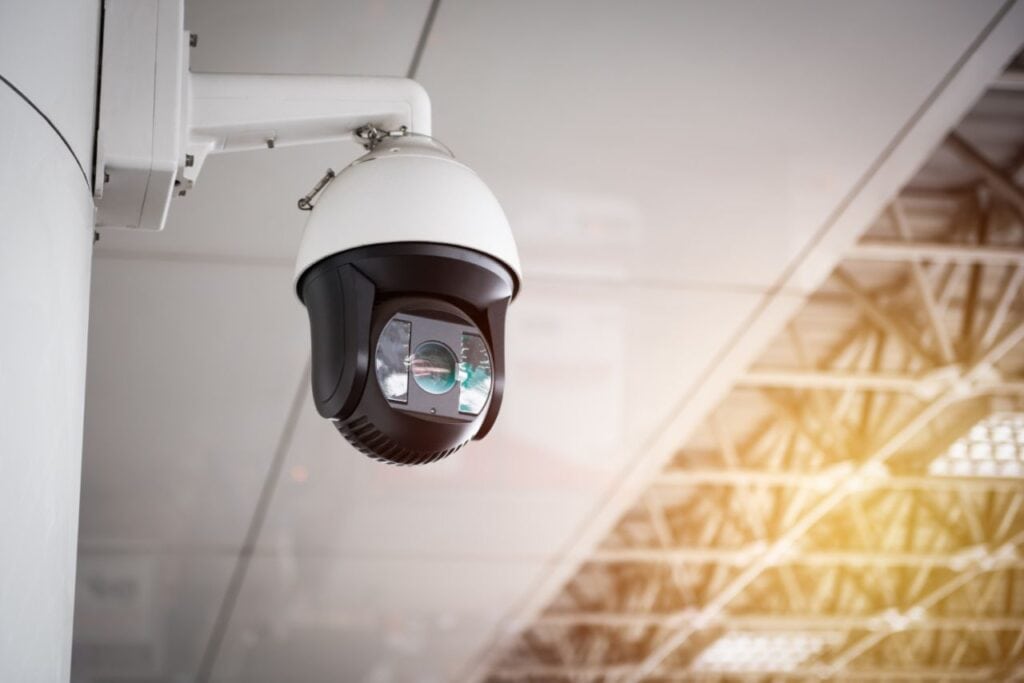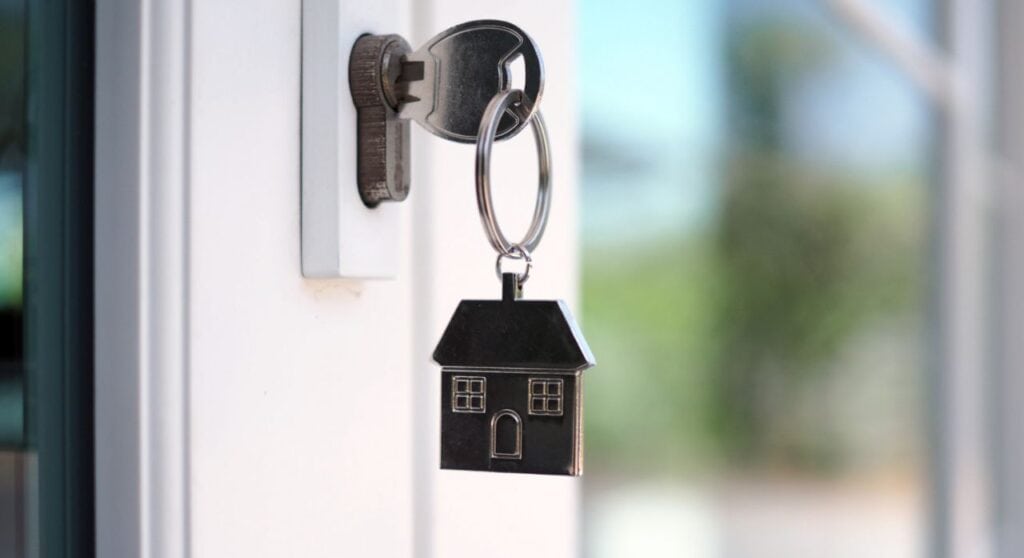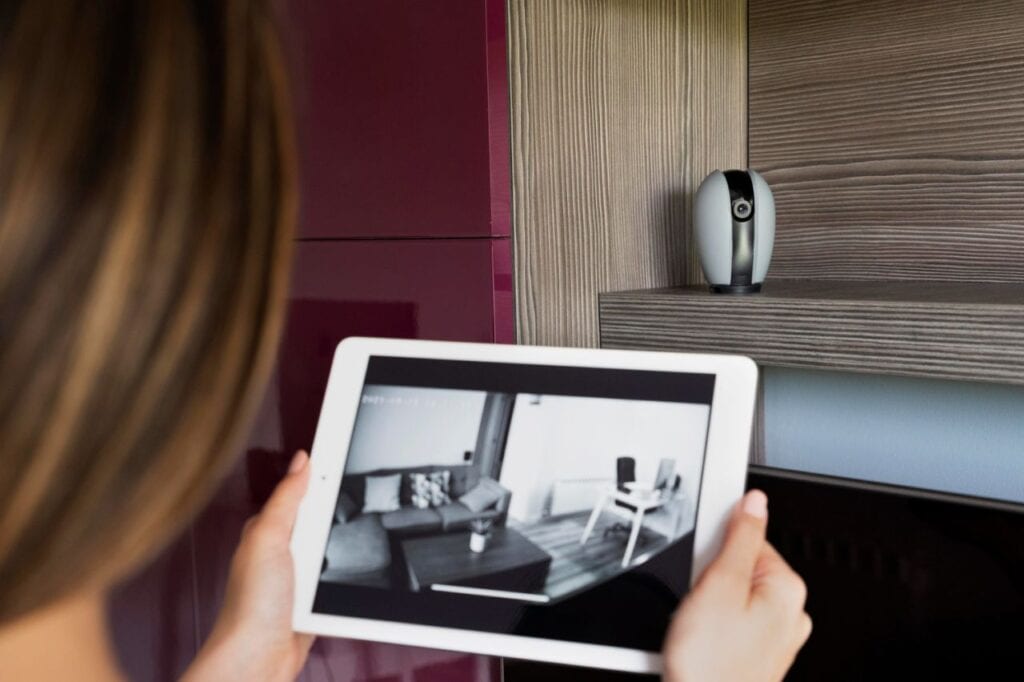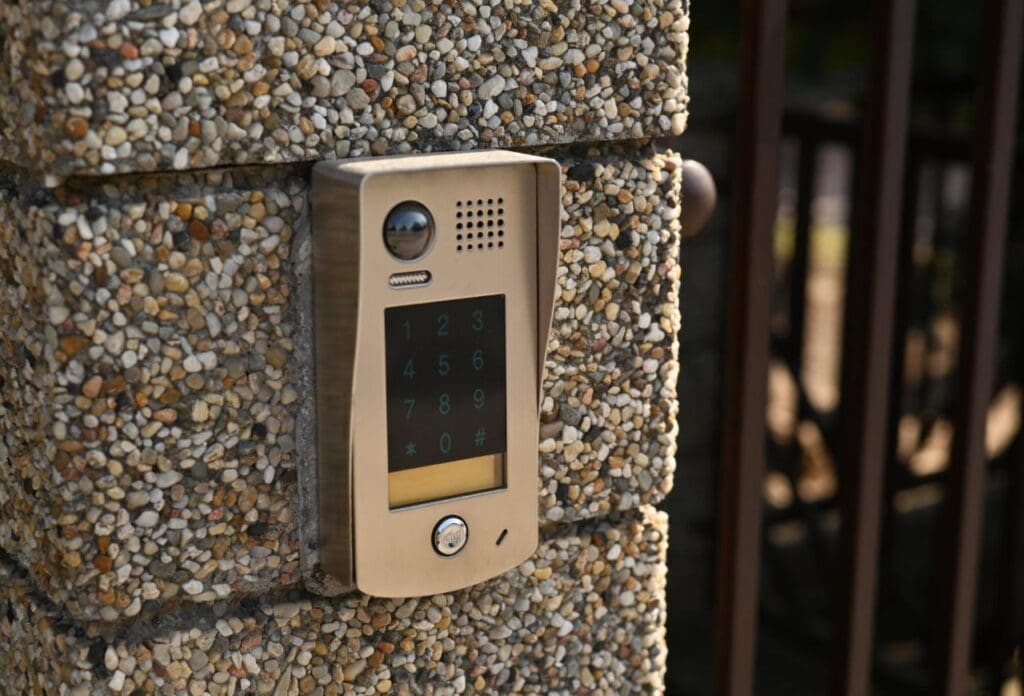

One of the cornerstones of any reliable security setup is a reliable access control system. It's the act of deciding who can do what around your house, office, or other establishments. In addition to limiting who can enter a building, the term "access control" can also refer to the process of verifying a visitor's identity.
Controlling who can enter a building or use a particular computer terminal is an important part of making sure that unwanted visitors can't get inside.
What Is the Importance of Access Control?
Knowing who is entering and leaving your property is crucial for its safety. Without some kind of entry restriction system, any thief, spy, or vandal would be able to simply stroll in and do whatever they pleased. It is possible to prevent potential harm from being done by intruders by installing an access control system.
Using an access control system, a company can restrict access to just authorised personnel while still allowing tourists access to select areas. Access to particular regions can even be limited on a per-user or per-role basis in some systems. When installed at home, they serve to protect your loved ones by discouraging would-be burglars from accessing your house.
Access Control System Varieties
Each of the four most common varieties of systems for access control has its own advantages and disadvantages. If you need a high level of protection together with a great deal of adaptability, then a cloud-based system is your best bet.
Access Control Based on Discretion
This approach of controlling entry is the most basic and adaptable one available. When it comes to using a system's resources, it's up to the owner or administrator to decide who gets access and how. For each secured location, an authorised visitor list is produced to specify who is allowed to enter. It is possible to alter or add to these lists at any moment.
There is less authority when there is so much leeway. Because one person can decide who gets in and who doesn't, there's a risk that authority may be exploited. Therefore, discretionary access control solutions are typically the least safe.
Required Access Control
In contrast, obligatory access control systems offer the highest level of security. Users are individually categorised and granted access to locations or equipment. The system then grants people access based on specified, unchangeable security rules. No one but the owner can alter these rules, which makes the system highly inflexible.
MAC systems are utilised in locations requiring the highest level of security. These systems are favoured by the government and military entities.
Role-Based Access Management
The flexibility and adaptability of role-based access control (RBAC) systems are driving their rapid adoption in both domestic and commercial settings around the world. With an RBAC, authorisation is granted based on a user's job title rather than individually, which saves a lot of time, especially for larger organisations.
You can restrict access to the safe to only those who fit a certain profile, such as managers or executives. Simply updating a person's role in the system after a promotion is the simplest way to handle the situation.
Rule-Based Access Management
By limiting entry to your building based on predetermined rules, rule-based access controls fortify its defences. If your company is closed on weekends, then no one will need to log in between Friday afternoon and Monday morning. You can block all users for a certain amount of time using a rule-based method. Whenever the system administrator wants, rules can be activated or deactivated.
Components of an Access Control System
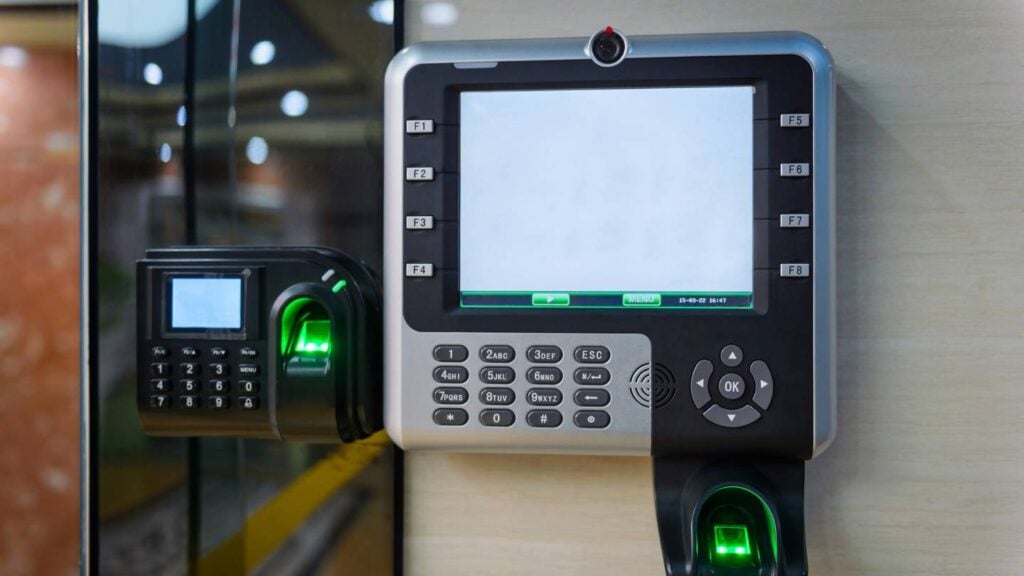
There is a wide variety of methods for restricting entry. Your front door acts as a sort of access control because it limits who can enter your home. Intercom systems, swipe cards, and biometric scanners are just some of the options available to households and businesses that want a little something more. What you need to feel safe in your home is the determining factor.
Some security systems allow for remote monitoring and management via a computer network or a mobile device via a dedicated app. Doors and gates will open with the touch of your hand. Most can also work in tandem with your current security setup, including things like CCTV cameras.
Features of Access Control & Intercoms
There are many varieties of intercoms & access control to choose from, depending on your preferences for things like internet connectivity, video, or just plain old audio.
Because intercoms & access control systems are security tools that enable entry into your home, it is crucial that they be installed by a reputable security company employing certified technicians.
Make sure the security firm you hire is reliable before hiring them.
Make sure the intercom company you hire has the proper licencing to perform security services by a certified security expert, so you know your information is safe, and your system complies with all regulations.
This comparison of the advantages and features of various kinds of intercom & access control systems is meant to help you narrow down the wide variety of options currently on the market. Although this blog primarily addressed home intercoms, many of the points are also applicable to intercoms in apartment buildings and workplaces.
Why You Should Have an Intercom
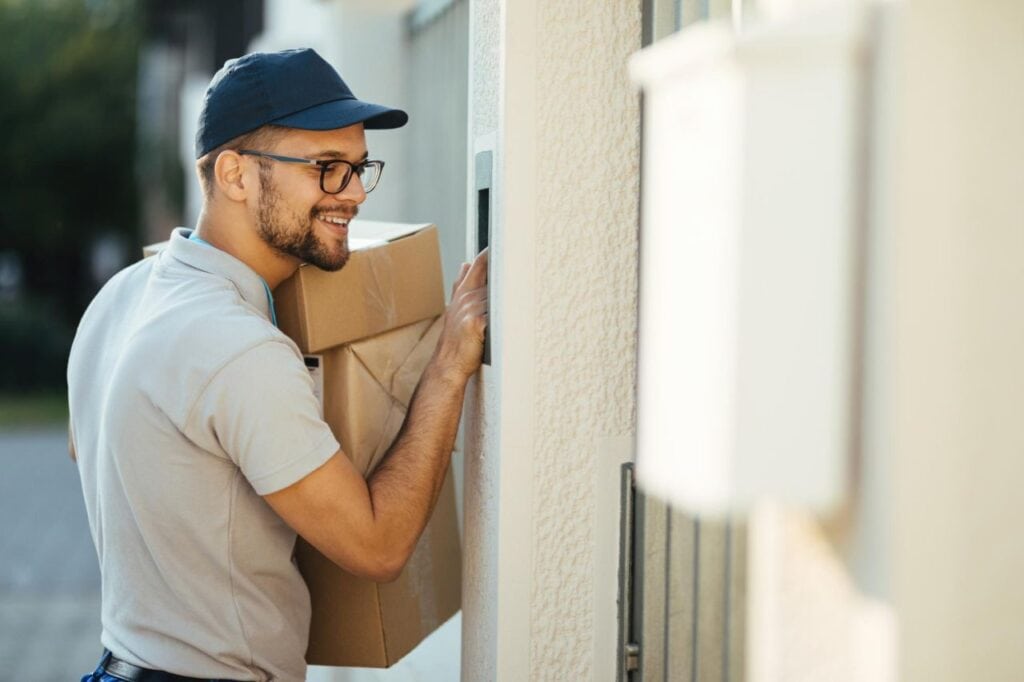
It's important to weigh the benefits and drawbacks of potential security systems before spending money on one for your apartment building.
While the advantages of installing an intercom system for your building's unit complex might not be immediately apparent, they are significant, particularly in terms of the safety and comfort of your tenants and employees.
In this article, we will discuss four situations in which an intercom system would be useful in a multi-unit building.
- Improve the safety of the structure.
- Helping people talk to each other more easily.
- In order to simplify receiving packages.
- For both employees and residents, it's a huge time saver.
Find a Good Intercom System
Intercoms facilitate more than just casual conversations with guests. To put it simply, they are a crucial component of the safety of your structure. They can aid in visitor verification, streamline package deliveries, and otherwise improve the quality of life for the building's occupants. Intercoms are a great addition to any multi-family dwelling.
Which Access Control/Intercom System Best Meets Your Needs?
Your necessary features will differ based on your specific requirements and preferences. In this article, we'll discuss the different kinds of intercoms and help you choose the one that's right for you.
Audio or Video Intercoms (no internet capabilities)
People who don't want to deal with apps and notifications but still need an easy way to communicate with coworkers may find traditional intercoms to be a suitable option.
You can also use them if you spend most of your time at home, in which case it's not as important to get a text message when someone knocks on the door. If there is someone home, these conventional systems allow for two-way communication between the gate and the watchman.
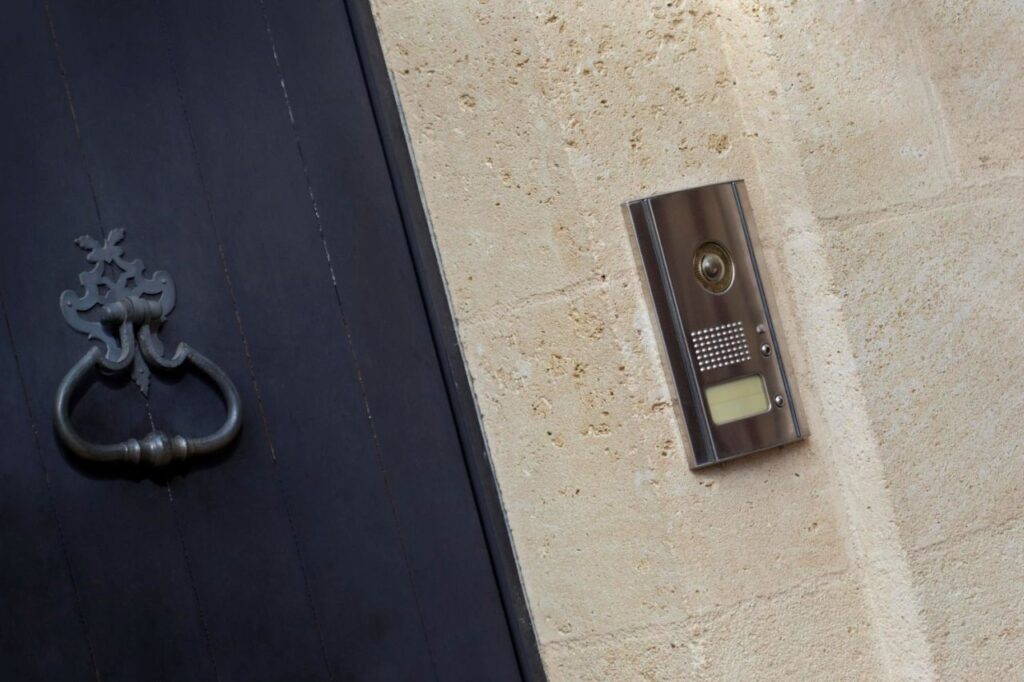
These intercoms can be either audio-only or a hybrid audio-visual system. Due to not requiring a connection to a user's existing home WiFi network, installation and setup are typically less complicated. If you're somehow too busy to answer the door, a video intercom will let you see who's knocking so you don't have to.
While IP intercoms are becoming increasingly common, some high-end traditional intercom systems already have the ability to record visuals when the doorbell is pressed.
Traditional intercoms of high quality will have adequate camera quality, but cheap systems should be avoided at all costs because so many things can go wrong with them, and there is usually no warranty.
Internet Protocol Intercoms (Internet Connected)
IP intercoms, which can be accessed from anywhere with an internet connection, have many advantages over conventional intercoms. IP intercoms often cost no more than a high-quality analogue system.
IP intercoms, thanks to their internet connectivity, can alert your phone whenever the gate or doorbell is rung. In order to confirm the true identity of the person who rang the bell, you will be able to watch a live video feed of them on your smartphone.
With this, you can direct the delivery person to your preferred location and give them verbal instructions even if you won't be home when they arrive. There will be no more need to arrange a trip to a depot after receiving a delivery notice stating that your package has been left at your doorstep.
IP intercom cameras can even be connected to a building's existing CCTV network in order to provide even more comprehensive surveillance.
While away from home, you can still communicate with visitors. This can be an effective deterrent against burglars who canvass neighbourhoods by ringing doorbells looking for unoccupied homes. Those who ring your IP intercom can also have their image and/or video captured and saved.
If your neighbour's house had been broken into and the suspect had previously tried to ring your doorbell, you would now have a clear photo of him to show the police. IP intercom systems, in general, feature better quality cameras, allowing you to get a more accurate depiction of visitors, both welcome and otherwise.
It's true that you get how much you pay for in most situations. In order to avoid future disappointment and frustration, investing in a high-quality intercom system is crucial.
Buying an inexpensive intercom system from a hardware store or an online auction site is not only likely to not last as long as purchasing a higher-quality product, but it may also make warranty claims more complicated.
Intercoms With Some Access Control
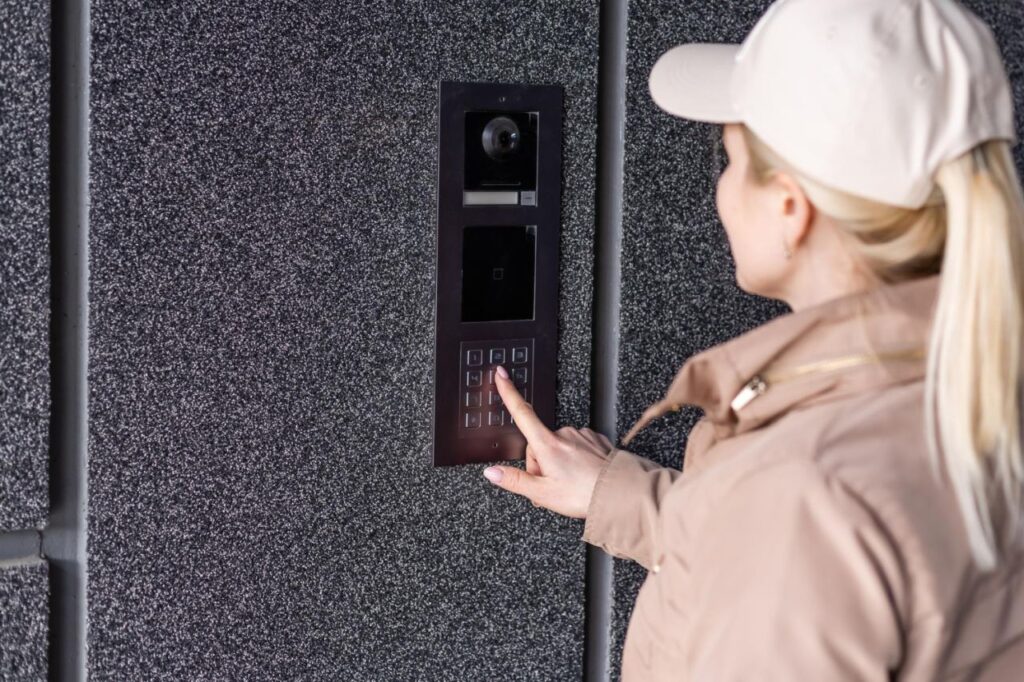
Consider installing an intercom with built-in access control if you want more say over who enters your home and when. If a gate or door is equipped with an electronic latch for access control, the lock can be opened using the intercom system.
An RFID reader, keypad, or access button installed at the gate could be linked to an audio/video monitoring station inside. In addition to the same integrations, IP intercom systems also allow for remote access control via a smartphone app, so you can unlock the door from anywhere in the world, no matter where your phone happens to be.
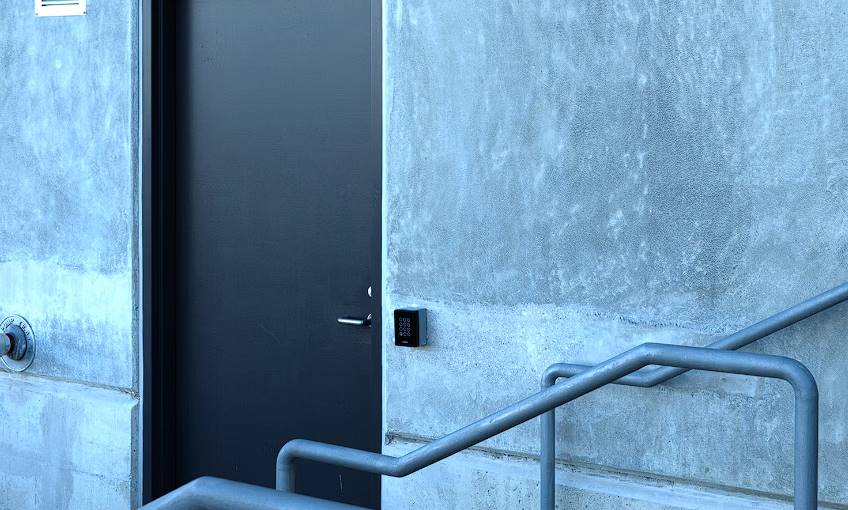
You can eliminate the hassle of searching for your car key by attaching an RFID tag to your keychain. Secure keyless entry is also possible with numeric keypads; these allow you to assign unique access codes to each member of your household, so you'll always know who entered and exited your home.
The integration of access control and an IP intercom system provides the following benefits:
- If a package needs to be delivered while you're at work, just unlock the entrance and instruct the delivery man where to leave it.
- In the event that you have scheduled a visit from a reliable service provider but will be out of the house during their scheduled time, you can verify their identity via the doorbell and let them in using a remote control.
- While you're at the office, you can let a friend or family member in through the front door by simply unlocking it from afar when people ring the bell. The alarm can be disarmed remotely via smartphone with a high-quality security system.
Only an Access Control System
A basic home security system doesn't necessarily require an intercom to function. Keypads or RFID readers can be used for this purpose, allowing access through a gate or door without the need for the aforementioned visual or auditory verification processes.
Incorporating an Access Control System Will Reduce Your Anxiety
When you know your home is safe, it's much simpler to get some shut-eye. By using an access control system, you can make sure that only authorised individuals are able to enter restricted areas.
Finding a system that works for you and your requirements can feel like a monumental task.
Experts can help with such kind of thing. They will be there for you every step of the way, from deciding on a system to having it set up and functioning, providing you with all the information and assistance you could possibly need.
Don't be shy about getting in touch if you have any enquiries about our home and commercial access control solutions.
FAQs About Access Control & Intercom
How Common Are Access Control & Intercom Systems?
Access control and intercom systems are quite common in many types of buildings and facilities.
Access control systems are used to regulate who is allowed to enter a particular area or building, and they can be used in a variety of settings, including residential buildings, commercial buildings, and government buildings. Intercom systems are used to allow communication between people in different parts of a building or facility.
Both access control and intercom systems can be found in a range of settings, including office buildings, schools, hospitals, airports, and other public facilities.
They are also used in residential buildings, such as apartment buildings and gated communities, to provide security and control who has access to the premises.
Access control and intercom systems can be integrated into a single system or used separately, depending on the needs of the facility. These systems can range from simple, standalone systems to more complex, networked systems that can be accessed and controlled remotely.
Are Access Control & Intercom Systems Safe?
Access control and intercom systems can be effective in improving the security and safety of a building or facility. By regulating who is allowed to enter a particular area, access control systems can help to prevent unauthorized access and reduce the risk of theft, vandalism, and other security threats.
Intercom systems can also improve safety by allowing people in different parts of a building or facility to communicate with each other and request assistance if needed. For example, an intercom system can be used to call for help in an emergency or to alert security personnel of a potential security threat.
However, it is important to note that no security system is foolproof, and it is always important to follow good security practices in addition to using security systems. This includes following proper protocols for using the system, keeping the system up to date and well-maintained, and training employees or residents on how to use the system properly.
Are Access Control & Intercom Systems Cheap?
The cost of access control and intercom systems can vary significantly depending on the size and complexity of the system, as well as the features and capabilities it offers. Simple, standalone systems may be relatively inexpensive, while more complex, networked systems can be quite expensive.
In general, access control systems tend to be more expensive than intercom systems, as they often require more hardware and infrastructure, such as card readers, keypads, and access control panels. Intercom systems, on the other hand, may be less expensive, as they typically involve fewer components and may be easier to install.
It is important to carefully consider your budget and security needs when selecting an access control or intercom system. It may be worth investing in a more expensive system if it offers additional features and capabilities that are important to your security needs, but it may not be necessary to purchase a high-end system if a less expensive option will meet your needs.
It is also a good idea to shop around and compare prices from multiple suppliers to ensure you are getting the best deal.
Are Access Control & Intercom Systems Mandatory?
The use of access control and intercom systems is not generally mandatory, but they may be required in certain situations or settings. For example, access control systems may be required in certain types of buildings or facilities as part of the building code or for safety and security purposes.
In some cases, access control and intercom systems may be required by law or regulation, such as in buildings that are required to meet certain security standards, such as government buildings or buildings that handle sensitive or classified information.
However, in most cases, the use of access control and intercom systems is not mandatory and is typically a matter of choice for the owner or operator of the building or facility. Many building owners and operators choose to use these systems as a way to improve security and protect against unauthorized access or potential security threats.
How Long Will It Take To Install an Access Control & Intercom System?
The amount of time it takes to install an access control and intercom system will depend on a variety of factors, including the size and complexity of the system, the type of building or facility, and the installation location.
For a small, standalone system, installation may take just a few hours. However, for a larger, more complex system, installation may take several days or even longer, depending on the size and complexity of the system.
In general, it is important to allow sufficient time for the installation of an access control and intercom system, as it may be necessary to make modifications to the building or facility, such as running new wiring or installing mounting brackets. It is also a good idea to work with a professional installation team to ensure that the system is installed properly and meets all necessary safety and security standards.
Conclusion
The safety of your property greatly depends on your ability to monitor who enters and exits it. By installing an access control system, you can protect your property from unwanted visitors and their potential damage.
There are benefits and drawbacks to each of the four most common types of access control systems. RBAC systems are becoming increasingly popular in both homes and businesses. Instead of manually authorising each user, authorisation is granted automatically based on their job title.
The administrator has complete control over when each rule takes effect.
Protecting your building with intercoms is a must. They can improve residents' quality of life in numerous ways, including helping with visitor verification and streamlining package deliveries.
In this article, we'll go over the various intercom options so you can make an informed decision. IP intercoms, which can be accessed from anywhere with an internet connection, typically don't cost any more than a high-quality analogue system.
When added to a building's existing CCTV network, IP intercom cameras can keep everyone in and out under close watch. It is possible to unlock the door from anywhere in the world with an IP intercom system and a smartphone app.
The gate could be equipped with RFID readers, a keypad, or an access button that is connected to an internal audio/video monitoring station. Numeric keypads allow for another form of secure keyless entry. Only authorised personnel should be allowed entry to secure areas, and this is what an access control system is for.
Content Summary
- One of the cornerstones of any reliable security setup is a reliable access control system.
- In addition to limiting who can enter a building, the term "access control" can also refer to the process of verifying a visitor's identity.
- It is possible to prevent potential harm from being done by intruders by installing an access control system.
- Using an access control system, a company can restrict access to just authorised personnel while still allowing tourists access to select areas.
- For each secured location, an authorised visitor list is produced to specify who is allowed to enter.
- The flexibility and adaptability of role-based access control (RBAC) systems are driving their rapid adoption in both domestic and commercial settings around the world.
- By limiting entry to your building based on predetermined rules, rule-based access controls fortify its defences.
- You can block all users for a certain amount of time using a rule-based method.
- This comparison of the advantages and features of various kinds of intercom & access control systems is meant to help you narrow down the wide variety of options currently on the market.
- While the advantages of installing an intercom system for your building's unit complex might not be immediately apparent, they are significant, particularly in terms of the safety and comfort of your tenants and employees.
- In this article, we will discuss four situations in which an intercom system would be useful in a multi-unit building.
- While IP intercoms are becoming increasingly common, some high-end traditional intercom systems already have the ability to record visuals when the doorbell is pressed.
- IP intercoms often cost no more than a high-quality analogue system.
- IP intercoms, thanks to their internet connectivity, can alert your phone whenever the gate or doorbell is rung.
- In order to confirm the true identity of the person who rang the bell, you will be able to watch a live video feed of them on your smartphone.
- While away from home, you can still communicate with visitors.
- Those who ring your IP intercom can also have their image and/or video captured and saved.
- It's true that you get how much you pay for in most situations.
- Consider installing an intercom with built-in access control if you want more say over who enters your home and when.
- If a gate or door is equipped with an electronic latch for access control, the lock can be opened using the intercom system.
- In addition to the same integrations, IP intercom systems also allow for remote access control via a smartphone app, so you can unlock the door from anywhere in the world, no matter where your phone happens to be.
- You can eliminate the hassle of searching for your car key by attaching an RFID tag to your keychain.
- Secure keyless entry is also possible with numeric keypads; these allow you to assign unique access codes to each member of your household, so you'll always know who entered and exited your home.
- The integration of access control and an IP intercom system provides the following benefits:
- If a package needs to be delivered while you're at work, just unlock the entrance and instruct the delivery man where to leave it.
- The alarm can be disarmed remotely via smartphone with a high-quality security system.
- A basic home security system doesn't necessarily require an intercom to function.
- When you know your home is safe, it's much simpler to get some shut-eye.
- By using an access control system, you can make sure that only authorised individuals are able to enter restricted areas.
- Finding a system that works for you and your requirements can feel like a monumental task.
- BEST COMPACT: Echo Dot (3rd Gen) – Smart speaker with Alexa.
- BEST MULTIPURPOSE: Chunhee Wireless Intercom System for Elderly/Kids.
- BEST VIDEO DOORBELL: Ring Video Doorbell Pro 2.
- BEST MONITOR: Infant Optics Video Baby Monitor DXR-8.